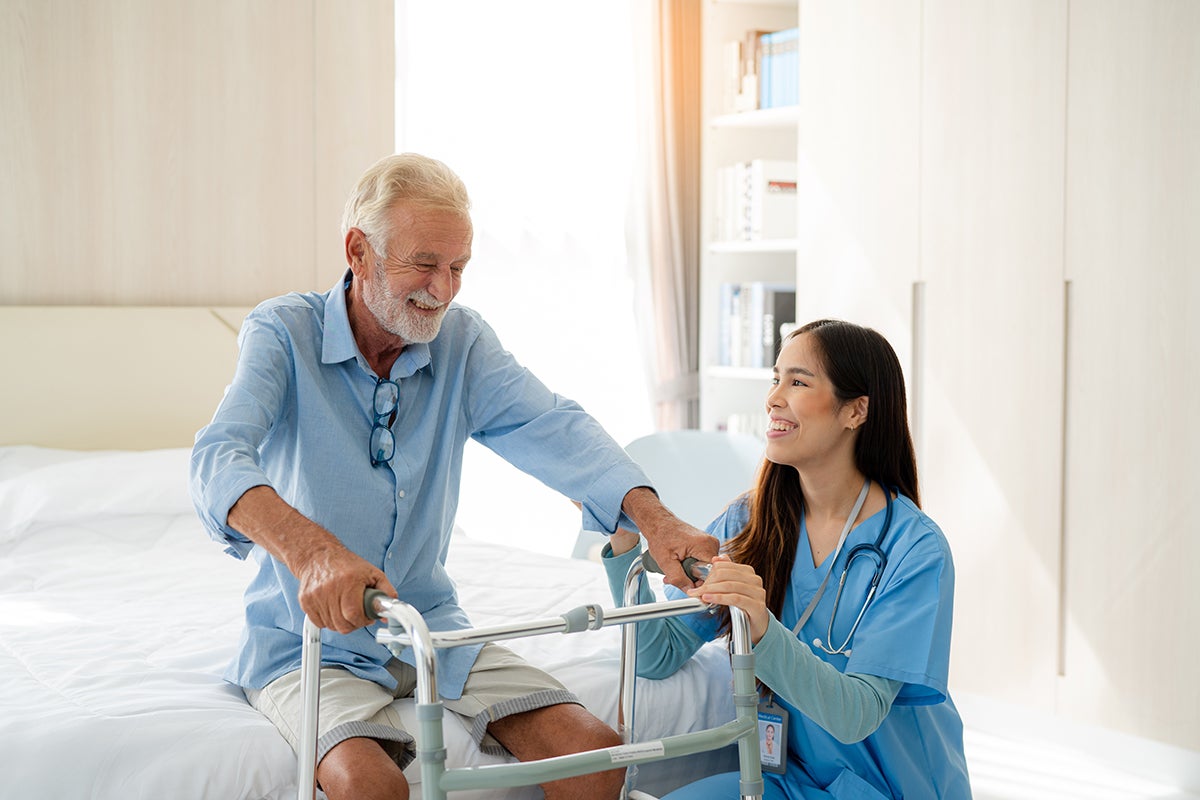
When it comes to assisted living safety, both residents and their families often have pressing concerns about creating a secure and comfortable environment. Ensuring that older adults feel safe and secure in their living communities is paramount, and this requires a multifaceted approach to address various safety measures. From community design elements like proper lighting, grab bars, and accessible pathways to advanced technologies such as fall detection systems and monitoring devices, a comprehensive assisted living safety checklist is essential. If you want to learn more about the various aspects of safety in assisted living facilities and how these measures provide peace of mind for both residents and their families, keep reading. Contact Us What Are Some of the Safety Concerns a Resident Might Have in Assisted Living? It can be intimidating to allow someone else to care for the needs of your loved ones or yourself in an assisted living setting. However, there are three primary safety concerns you might become more aware of as you get older, and you may need to rely on others to help you manage them. Falls – Falls are recognized as the leading cause of both fatal and nonfatal injuries among people over the age of 65, according to the Center for Disease Control and Prevention. Wandering/Eloping – For those struggling with memory issues, like Alzheimer’s or dementia, wandering around and out of the building can become a major concern. Illness – Diseases like COVID-19, influenza, the common cold, etc. can be detrimental to the health and wellness of the average resident in an assisted living facility. Each of these issues requires specialized care and training to be handled quickly and with compassion for the people experiencing the issue. Are There Safety Measures in Place Within Assisted Living Facilities to Prevent Falls? As falls are the most common source of injury for older adults, there are some precautions assisted living facilities put into place to help keep these injuries from happening. Proper Lighting and Visibility - Proper lighting and visibility are crucial safety features in assisted living facilities. Adequate illumination helps prevent trip hazards and improves navigation for residents, especially those with vision impairments. Accessible Pathways and Handrails - Accessible pathways and handrails are essential for safety in assisted living facilities. Wide, unobstructed pathways allow residents, including those using mobility aids like walkers or wheelchairs, to easily navigate the community. Handrails provide crucial support, especially in areas like hallways and staircases, reducing the risk of falls. Including grab bars in bathrooms and other high-risk areas further enhances safety and security. Reducing Trip Hazards - Reducing trip hazards is key to ensuring resident safety in assisted living facilities. Common trip hazards include loose rugs, uneven flooring, and cluttered walkways. By addressing these issues, care facilities can significantly lower the risk of falls among older adults. Additionally, using non-slip mats in areas prone to wetness, such as bathrooms and kitchens, can further enhance safety and security. Contact Us What Safety Measures Are in Place to Prevent Wandering/Elopement? For those with memory issues, elopement can happen randomly. Here are some things an assisted living facility can do to help minimize the risks of injury related to elopement. Ongoing Staff Safety Training - Ongoing staff safety training is essential for maintaining high standards of care and safety in assisted living facilities. Continuous education ensures that staff members are up-to-date with the latest safety protocols and emergency procedures. Regular refresher courses can help reinforce critical skills and knowledge, ensuring staff are always prepared to handle any situation. Additionally, specialized training in memory care can be invaluable for staff working with residents who have cognitive impairments. Effective Emergency Procedures - These procedures encompass a range of potential emergencies, from medical incidents to natural disasters, and help staff learn what to do with residents with a history of memory issues or who may wander during emergencies. Staff members are thoroughly trained in emergency protocols, including evacuation routes and the use of emergency equipment. Regular drills can help ensure that both staff and residents are well-prepared in the event of an actual emergency. These comprehensive safety measures are crucial for ensuring resident safety and providing peace of mind for families. Advanced Safety Technologies to Prevent Wandering - Assisted living facilities use advanced technologies to enhance resident safety and prevent wandering or elopement. Key measures include RFID tags and wearables that trigger alarms near exit points, geo-fencing to set virtual boundaries, and real-time location systems (RTLS) using Bluetooth beacons or Wi-Fi tracking for precise monitoring. Electronic access control systems like smart locks and keypad entry restrict unauthorized access, while video surveillance and advanced analytics monitor high-risk areas. Motion and pressure sensors in beds and chairs alert staff to unusual activity, and GPS tracking devices provide real-time location data. Emergency call systems, including wearable panic buttons and voice-activated systems, allow residents to summon help easily. Integration with smart home technology and voice assistants further enhances safety, creating a secure environment for residents. How is Good Hygiene Maintained and Illness Minimized in Assisted Living Facilities? To maintain a high standard of hygiene and reduce the incidence of illness within assisted living communities there is a series of protocols and practices that encompass every facet of cleanliness and health safety for employees. Here's a breakdown of our key initiatives: Regular Cleaning and Disinfecting: Disinfect high-touch points like doorknobs and elevator buttons. Conduct frequent and thorough cleaning of common spaces, bathrooms, and kitchens with EPA-approved products. Utilize a detailed cleaning schedule and checklist to maintain consistency and coverage. Hand Hygiene Practices: Position hand sanitizing stations strategically in places like entryways, dining zones, and elevator lobbies. Train staff rigorously on hand hygiene, stressing the importance of using soap and water for at least 20 seconds or hand sanitizers with a minimum of 60% alcohol. Encourage residents to adopt regular hand washing to curtail the spread of germs. Personal Protective Equipment (PPE): Equip staff with necessary PPE like gloves, masks, and gowns and instruct on proper use and disposal. Implement wearing masks for staff and visitors during flu seasons or outbreaks to impede airborne transmission. Health Screenings and Vaccinations: Perform consistent health screenings for residents and staff to detect and manage health issues in their early stages. Provide vaccinations, including flu shots and COVID-19 vaccines, to bolster defense against infectious diseases. Infection Control Protocols: Establish and enforce a clear set of guidelines for isolating infectious residents and manage outbreak situations effectively. Train staff continuously on proper infection control measures and emergency response. Practice the correct disposal of medical waste. Nutrition and Hydration: Serve well-rounded meals tailored to individual dietary requirements to support immunity and health. Promote regular fluid intake to ensure residents remain well hydrated. Consider nutritional supplements and vitamins as needed, in consultation with healthcare providers. Resident Education: Educate residents on the significance of personal hygiene, including bathing and dental care. Distribute informative materials and conduct workshops to engage residents in proactive health maintenance. Make certain hygiene supplies are easily accessible for resident use. Together, these comprehensive measures form a robust framework to safeguard the health of everyone in our care, reducing the chance of illness and fostering a safe and conducive environment for our residents to thrive. Contact Us Medication Management Protocols Another extremely important safety feature in assisted living facilities is medication and health management. Medication management protocols are vital for preventing medication-related incidents in assisted living facilities. Advanced technology is crucial in these protocols, ensuring residents receive their medications safely and on time. Electronic medication administration records (eMAR) help staff members track and document each resident’s medication schedule, reducing the risk of human error.
Automated dispensing systems can further enhance safety by sorting and dispensing the correct doses at the prescribed times. Additionally, reminder systems and alerts ensure that staff know about upcoming doses and the timeframe in which to give the doses. By implementing robust medication management protocols, assisted living facilities can significantly reduce the risk of missed doses or incorrect medication administration, thereby ensuring resident safety and well-being. Discover the Columbia Cottage Difference Safety and quality care are at the forefront of what Columbia Cottage does. Suppose you have concerns about the safety and well-being of your loved ones in an assisted living environment. In that case, our comprehensive safety measures and dedicated staff are here to provide peace of mind. Call us today to learn more about how Columbia Cottage is setting new standards in assisted living safety. Your loved one's security and comfort are our top priorities. Don't wait—let us show you how we can make a difference when you make any of Columbia Cottage’s locations your home. Contact Us Resources https://health.usnews.com/best-senior-living/assisted-living/articles/assisted-living-safety 5 Safety Concerns for Seniors Living Alone – Eddy Senior Living Communities