
Our residents had new baby bunnies come to visit them for some snuggles.
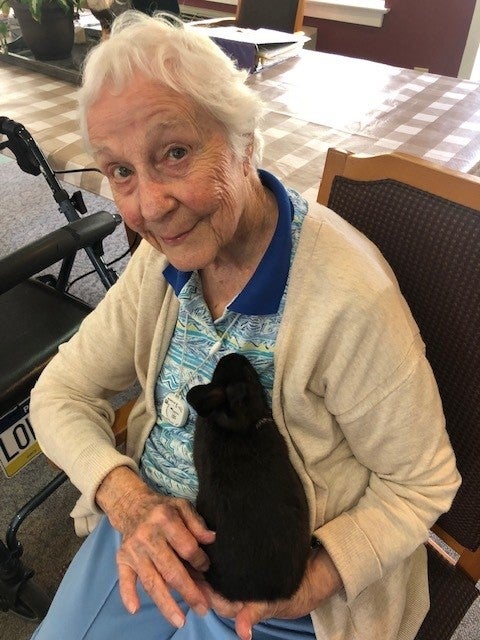
Our residents had new baby bunnies come to visit them for some snuggles.
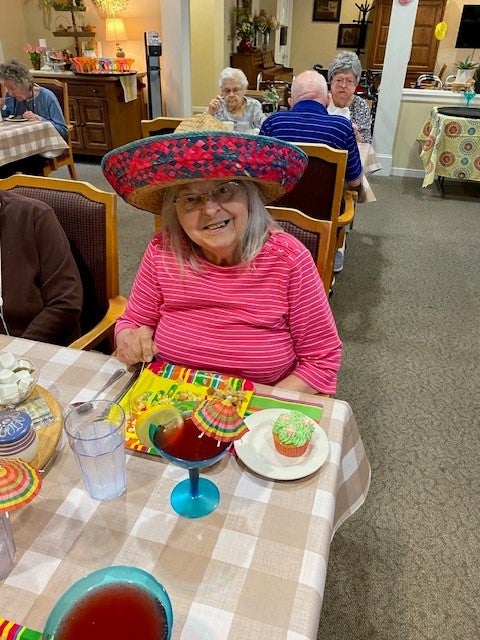
The residents enjoyed a fiesta on May 5. Wendy did it again, making a festive meal to celebrate Cinco de Mayo.
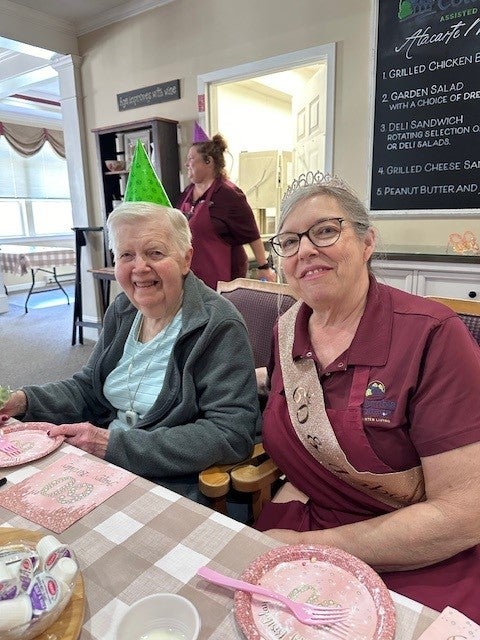
On April 24, the residents of Columbia Cottage celebrated Wendy's 60 birthday. Wendy has been our cottage chef for many years and plans the resident's monthly birthday bash. Our residents were able to give back to Wendy the love she shows each of them daily through her outstanding cooking and decadent desserts.
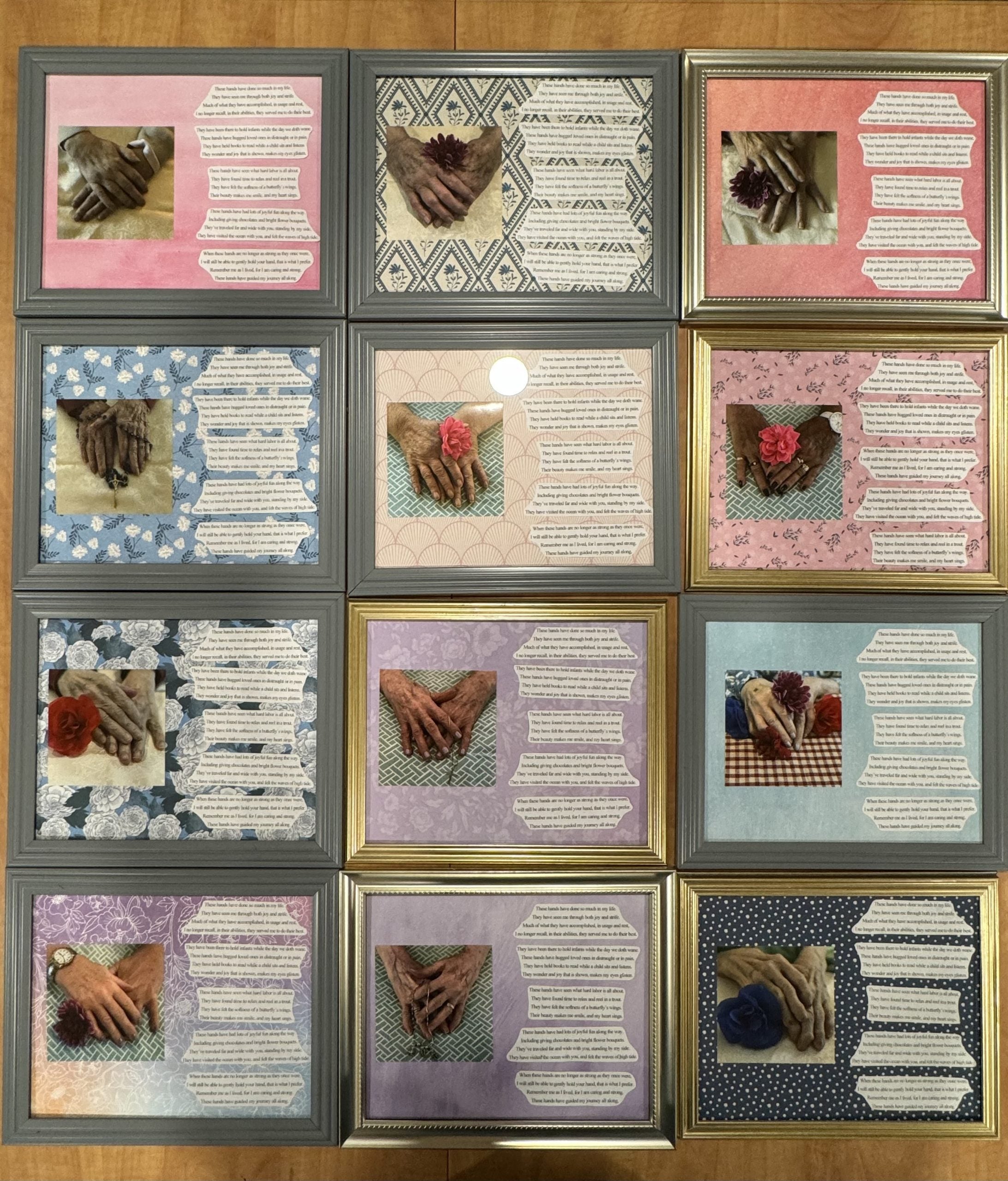
Here at the Cottage, we celebrated Mother’s Day in style! On the Friday before, we had a happy hour with tea sandwiches and mini pastries. A family member showed a well known and loved movie for the residents, which they loved! Residents were also given an opportunity to participate in a project called "These Hands", with 12 participating! It was originally created to honor mothers, but we put our own spin on it. Our version honors our women, whether mother, sister, aunt, and even just loving and caring for themselves. After all, at some point or another we’ve all had a mother and most of us have been an influential figure in someone else’s life. “These Hands” recognizes how much work goes into being a caring person, and what hands do to support you and your loved ones through life.
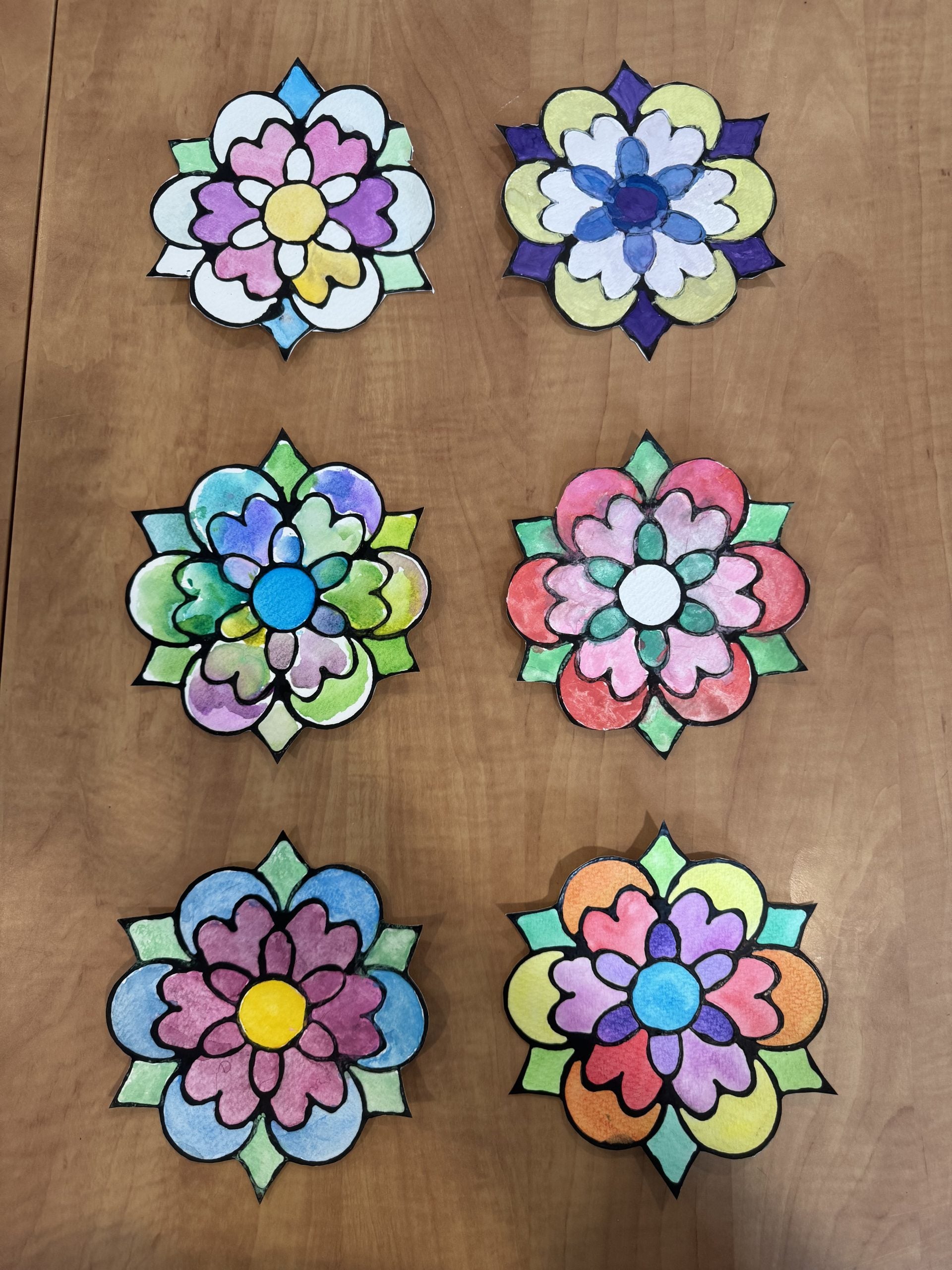
Our creative residents were busy creating this past month! Many of our projects were centered around flowers since April showers brought the May flowers. Residents also had the chance to learn and play the kazoo, which brought lots of laughter and memories! We also studied Leonardo da Vinci in honor of his birthday in May. Residents were able to create their own version of the Mona Lisa! They found this funny since it looks nothing like her, but we had a little bit of our own Louvre Museum in the middle hallway!
1909 Spokane Washington, a woman named Sonora Smart Dodd, whose father was a Civil War veteran, raise her and her five siblings after her mother dies in childbirth. The idea came to her in 1909 while attending a Mother’s Day sermon in church. She thought her father should have a similar church service to honor her father. She went to local churches, the YMCA, and shopkeepers to drum up support for her idea. Local religious leaders supported the idea, so she was successful: Washington state celebrated the nation’s first statewide Father's Day on June 19th, 1910, because her father’s birthday was in June. In 1924 U.S. President Calvin Coolidge gave his support to the observation and in 1966 President Lyndon B Johnson issued A proclamation that recognized the day, and it became a national holiday in 1972 when President Richard Nixon signed legislation designated the third Sunday of June as Father's Day. It was originally largely a religious holiday; Father's Day has been commercialized with sending greeting cards and giving gifts. Some observe the custom of wearing a red rose to indicate that one's father is living or a White Rose to indicate that he is deceased. Other males for example grandfathers or uncles who have assumed parenting roles have also often been honored on the same day this year we celebrate Father's Day on June 16th, 2024. It's almost like Father's Day is half Mother's Day because of its origin and start now here's a good question who remembers how Mother's Day started? Here's a hint North and South. So have fun remembering your father's and try to remember the origin of Mother's Day.

As with all new experiences in life, you will encounter new terminology in your journey from the working world into retirement. Some phrases, like “nursing home,” might be more familiar, while others, like “assisted living services,” might seem more unfamiliar. Maybe you thought the two were interchangeable and are just now learning that senior living terminology can have different, more nuanced meanings than you initially thought. Navigating the path to retirement living can sometimes feel like deciphering a complex code, but it doesn’t have to feel overwhelming. With various terms and phrases specific to the senior living industry, understanding this terminology is essential in making informed decisions for a fulfilling and meaningful retirement for yourself or a loved one. This blog aims to clarify some of the most common yet crucial terms you'll encounter on your journey. Contact Us What's the Difference Between the Different Senior Living Types? When you begin researching a senior living option for retirement, the first set of confusing terminology you might encounter will likely be the different types of senior living available to Pennsylvanians. Understanding these distinctions is crucial for finding the right fit for yourself or your loved one. Here's a breakdown of the most common senior living types: Independent Living Communities: These are designed for seniors who can live independently but prefer the convenience, social opportunities, and security that a community setting Independent living often includes amenities like meal services, housekeeping, and recreational activities. Residents live in private apartments or homes within the community. Assisted Living Facilities: An assisted living community bridges the gap between independent living and nursing homes. It's suitable for individuals who require assistance with daily activities like bathing, dressing, and medication management but do not need the intensive medical and nursing care provided in a nursing home. These facilities offer a more supportive living environment, including meals, personal care, and social activities. Memory Care Units: Specialized care environments designed for individuals with Alzheimer's disease, dementia, or other types of memory issues to receive specialized care from a healthcare professional. Memory care provides a secure setting that prevents wandering, specialized activities to enhance cognitive function, and staff trained in dementia care. Nursing Homes (Skilled Nursing Facility): These facilities provide round-the-clock nursing care and supervision for residents requiring high medical care and assistance. Nursing homes often offer short-term rehabilitation services and long-term care for individuals with serious health issues requiring continuous monitoring and treatment. Continuing Care Retirement Community (CCRC): CCRCs, also known as Life Plan Communities, offer a tiered approach to the aging process, accommodating residents' changing needs. Within one community, residents can move from independent living to assisted living to skilled nursing care as their health and personal needs evolve. This model provides peace of mind for residents and their families, knowing that a full spectrum of care options is available on one campus. Additionally, when you choose a continuing care retirement community, you opt for the comfort of staying in a familiar environment as your health needs change. This advantage is not enjoyed by those living in an assisted living facility exclusively if they require more intensive care later in life. Each type of senior living community caters to different levels of care, lifestyle preferences, and health requirements. By understanding these options, Pennsylvanians can make informed decisions that best suit their needs or the needs of their loved ones. Contact Us What Are the Different Types of Specialized Care an Older Adult May Need? Eventually, many older adults will require different levels of support and care as their needs evolve. Understanding the specialized care options available is crucial for ensuring seniors receive the appropriate assistance to maintain their health, dignity, and quality of life. Here are some specialized care types you may read about while researching senior living terminology. Memory Care Units - Memory care units are designed to provide a safe and supportive environment for individuals with Alzheimer's disease, dementia, or other cognitive impairments. These specialized sections within communities feature structured environments that reduce stress and confusion, tailored activities to enhance cognitive function and foster social engagement, and often have staff trained specifically in dementia care. This level of specialization ensures that residents receive the personalized attention and support they need. Palliative Care - Palliative care is a compassionate approach to improve the quality of life for patients with serious illnesses. It focuses on symptom management, addressing issues such as pain, shortness of breath, fatigue, and depression while also offering emotional, spiritual, and psychological support to patients and their families. Care coordination is a key component, assisting patients and families in navigating the healthcare system and making informed decisions about treatment options. Hospice Care - Hospice care provides end-of-life care focused on comfort and quality of life rather than cure, for individuals in the final phases of incurable diseases. This type of care involves an interdisciplinary team of professionals, including doctors, nurses, social workers, and chaplains, who work together to address all aspects of a patient's care. Hospice also offers counseling and support to family members during and after a loved one's illness, emphasizing compassion and dignity. Respite Care - Respite care offers temporary relief for family caregivers, allowing them a much-needed break while ensuring their loved ones are well cared for. This type of care can range from a few hours to several weeks and can be provided in various settings, including at home, in senior living communities, or in healthcare facilities. Respite care includes all necessary assistance with daily living activities and recreational activities to keep seniors engaged, providing comprehensive care during the caregiver's absence. Contact Us What Other Senior Living Terminology Should I Know? You may encounter other important terms while researching the best option for you or a loved one. These terms not only relate to the types of assistance and care one might need but also encompass critical legal documents and arrangements that ensure an individual's healthcare preferences are respected and followed. Familiarizing yourself with this terminology is a crucial step in making informed decisions about retirement care, whether for yourself or a loved one. Here's a glossary of key terms you are likely to come across during your research. Activities of Daily Living (ADLs) - Activities of daily living refer to the basic tasks that individuals need to be able to perform on their own to live independently. These include eating, bathing, dressing, toileting, transferring (moving from one place to another), and continence. Healthcare professionals often use the ability or inability to perform ADLs to assess an individual's care needs. Instrumental Activities of Daily Living (IADLs) - While ADLs cover basic self-care tasks, instrumental activities of daily living encompass more complex skills required for independent living. These include managing finances, handling transportation (driving or navigating public transit), shopping, preparing meals, managing medications, and maintaining a household. IADLs are often assessed alongside ADLs to determine the level of assistance an individual may need). Living Will - A living will is a legal document that outlines an individual's preferences for medical treatment should they become unable to communicate their wishes directly. This document typically covers life-sustaining treatment and end-of-life care scenarios, providing clear instructions for healthcare providers and family members about the person's desires regarding medical intervention and comfort care. Advanced Directives - Advanced directives are legal documents that detail an individual's instructions and preferences for healthcare decisions if they cannot make them themselves. This term encompasses living wills and other directives, such as do not resuscitate (DNR) orders. Advanced directives ensure that a person's healthcare choices are respected, guiding family members and healthcare professionals in making decisions aligned with the individual's wishes. Durable Power of Attorney (DPOA) - A durable power of attorney for healthcare is a legal arrangement that grants a designated person (often a family member or close friend) the authority to make healthcare decisions on behalf of the individual if they are incapacitated. Unlike a general power of attorney, a durable power of attorney remains in effect if the person becomes unable to make decisions for themselves, covering a wide range of decisions from routine medical care to critical life-saving interventions. Understanding these terms is crucial in planning for the future, ensuring that personal care preferences are clearly communicated and legally documented and that individuals have appointed trusted persons to act on their behalf when necessary. Get Help Navigating New Senior Living Terminology Today Grasping the terminology associated with senior living is the first step towards making knowledgeable decisions for yourself or your loved ones. Whether it's distinguishing between independent and assisted living, understanding the nuances of skilled nursing care, exploring the benefits of CCRCs, or navigating the complexities of an advanced directive, this knowledge empowers you to choose a retirement living option that aligns with your needs, preferences, and expectations for a meaningful life chapter. If you need help navigating your choices and want to learn more about the continuing care communities at each of our Columbia Cottage locations across PA, please feel free to contact us! Contact Us Resources Glossary of Senior Living Terms - Elder Care Terms | Abri Health Care A Beginner's Guide to Senior Living Terminology (thegoodmangroup.com)

Catherine (Cathy) was born and raised in Reading, Pennsylvania and is a proud graduate of Reading High School! Her and her husband John welcomed one daughter, Santina, and then continued to be blessed with four grandchildren and a growing number of great-grandchildren! Cathy enjoys knitting, going on walks, working with the schools, and attending her grandchildren’s sporting events. Cathy continues to be a joy to have at Columbia Cottage and we are appreciate hearing her life stories and advice!

In March, we had the opportunity to facilitate a lot of Easter-themed activities: The residents enjoyed dying hard-boiled easter eggs, painting wooden easter eggs, painting bunnies, and spring flower arranging! We welcomed spring with so much delight.
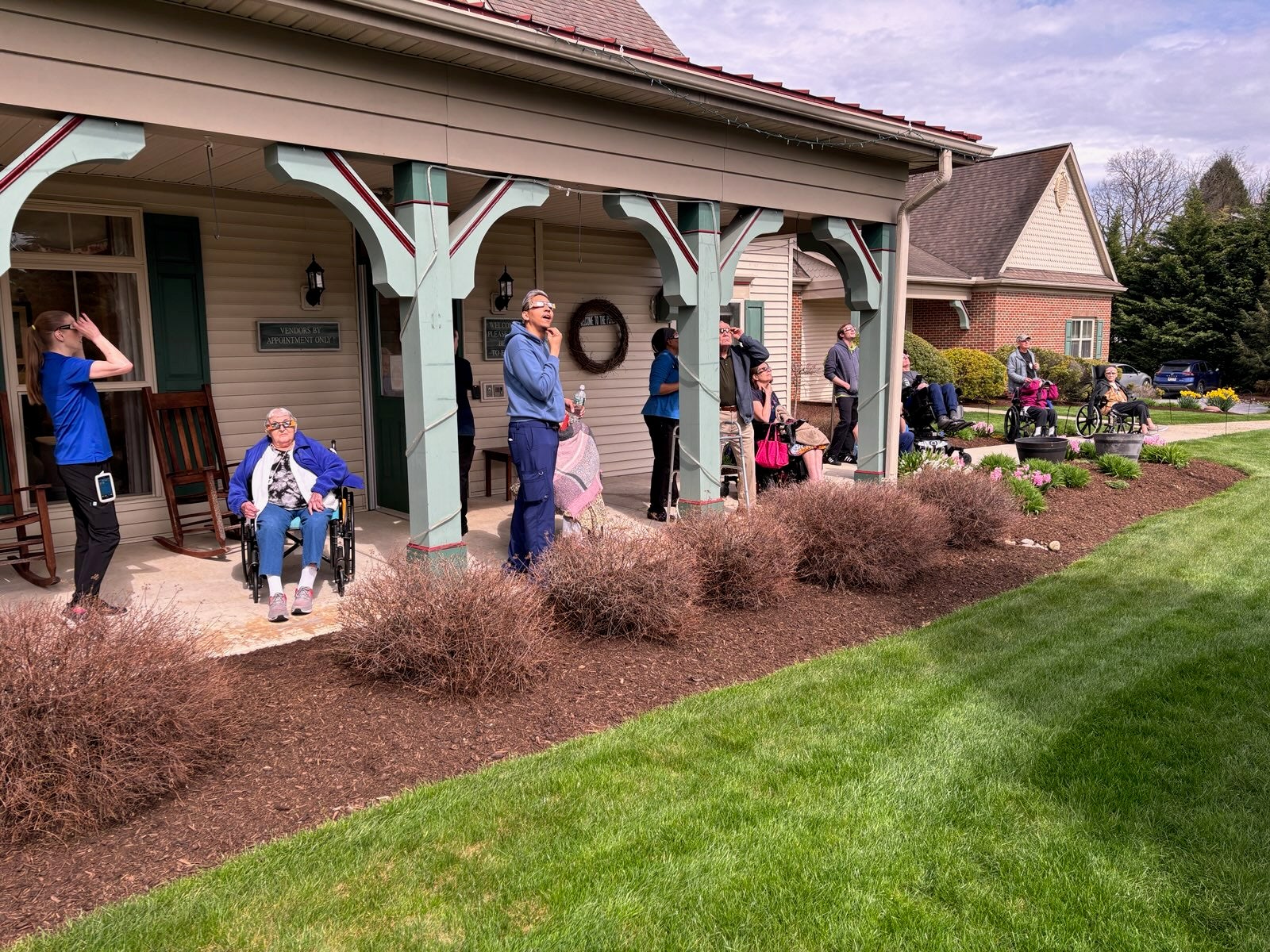
We had a great view of the Solar Eclipse from our front porch! We were able to catch some neat glimpses of the (almost) totality between the clouds!
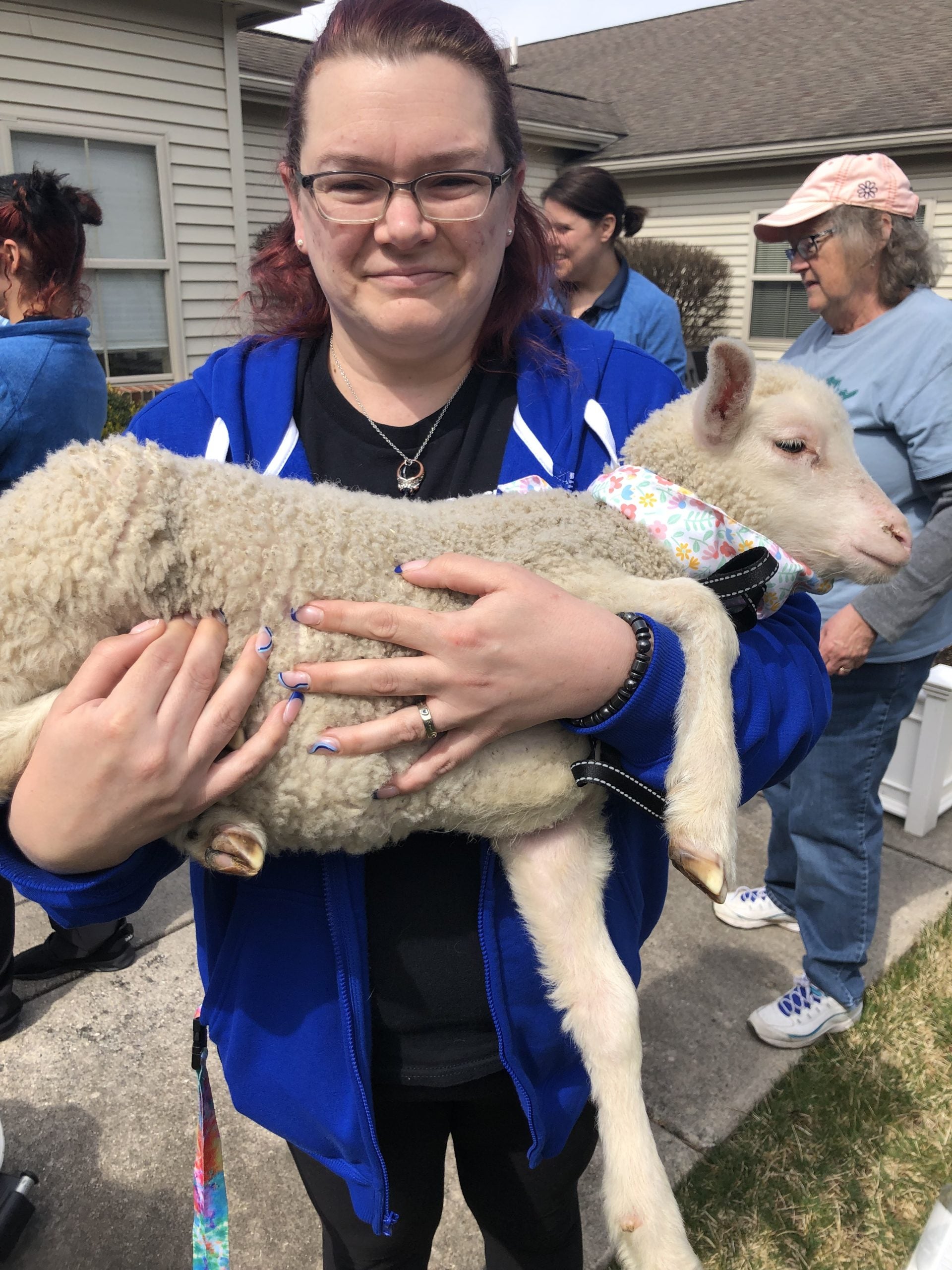
This Spring, Our Residents and staff members enjoyed caring for two baby chicks for two weeks! We were responsible for changing their food, water, and bedding daily. Residents had the opportunity to snuggle and play with the chicks anytime they wanted. The staff even found humor in naming the babies Dyson and Perdue! We were sad when they returned to the farm but we loved all of the joy they brought to the building! 10-week-old goat, Mickey, and 8-week-old lamb, Daisy, also visited the cottage from Swartz Farm. They both loved sitting on the laps of the residents! They were smothered with cuddles and hugs! We hope that they come back and visit us again soon!
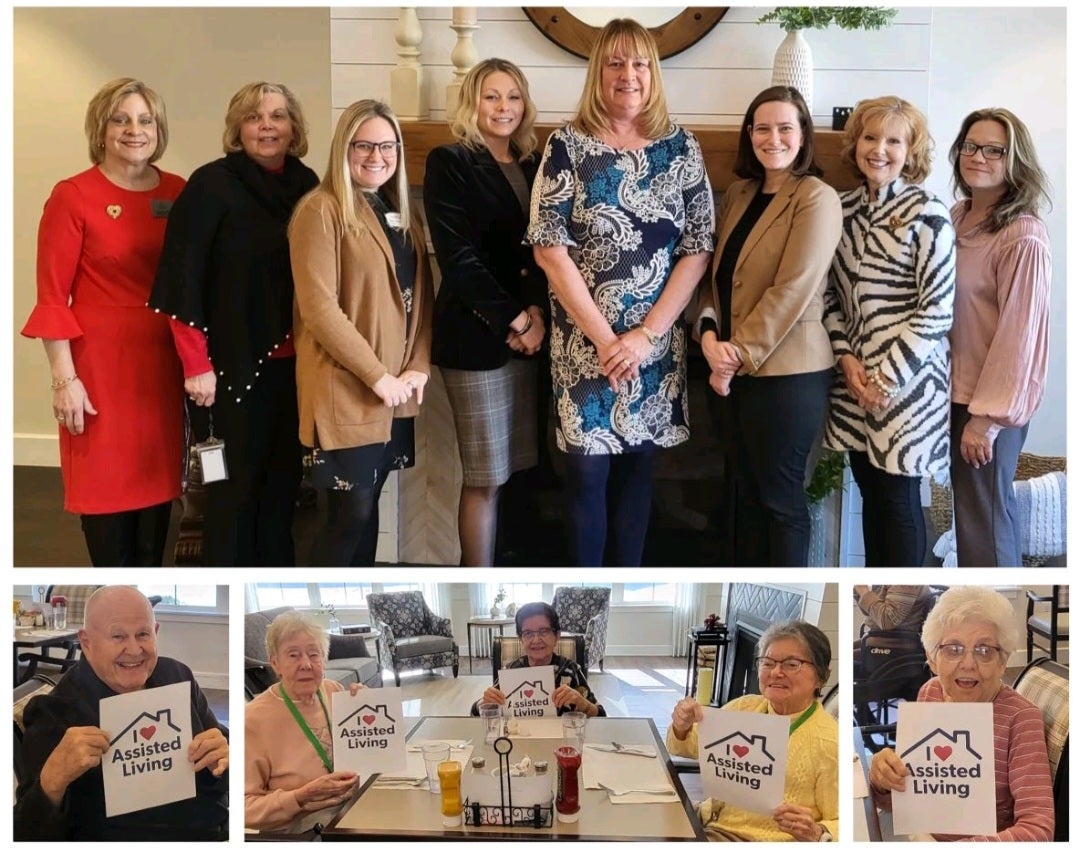
“PALA member community, Columbia Cottage Linglestown, welcomed staff from the U.S. Senate Aging Committee, Argentum and the PALA Board of Directors for a visit of their community. The visit provided an opportunity to meet with residents, staff, and senior living experts to discuss the critical role assisted living plays in supporting the needs of older adults in Pennsylvania and across the country.” -PALA article on LinkedIn