
Springtime = traveling bees, planting flowers, crafting flowers, and enjoying the sunshine!
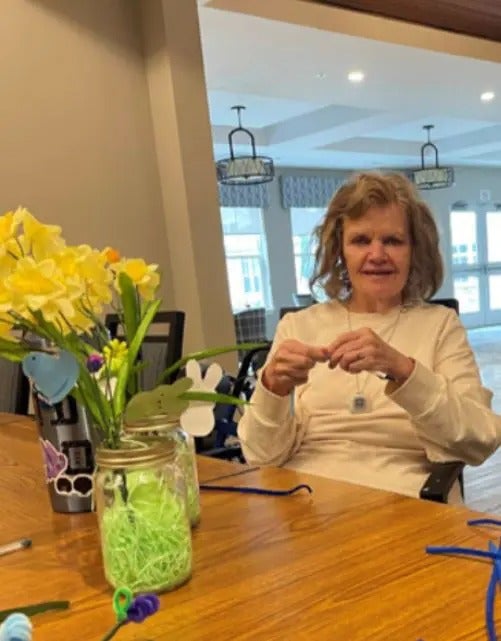
Springtime = traveling bees, planting flowers, crafting flowers, and enjoying the sunshine!

We had quite the surprise one morning when it was discovered that there were 11 baby ducks stuck in the courtyard storm drain! Thank you to Lower Paxton Township for rescuing the ducks and letting us have a peek at these adorable duckies.

Mothers are the G-O-A-T (Greatest of All Times)! We celebrated Mother's Day with Batz Farm baby goats and shared our favorite Mom G-O-A-T stories as we snuggled the baby goats. We even had Citrus Goat Soap Flowers from Rock Hill Heritage Farm for all of our residents and guests.
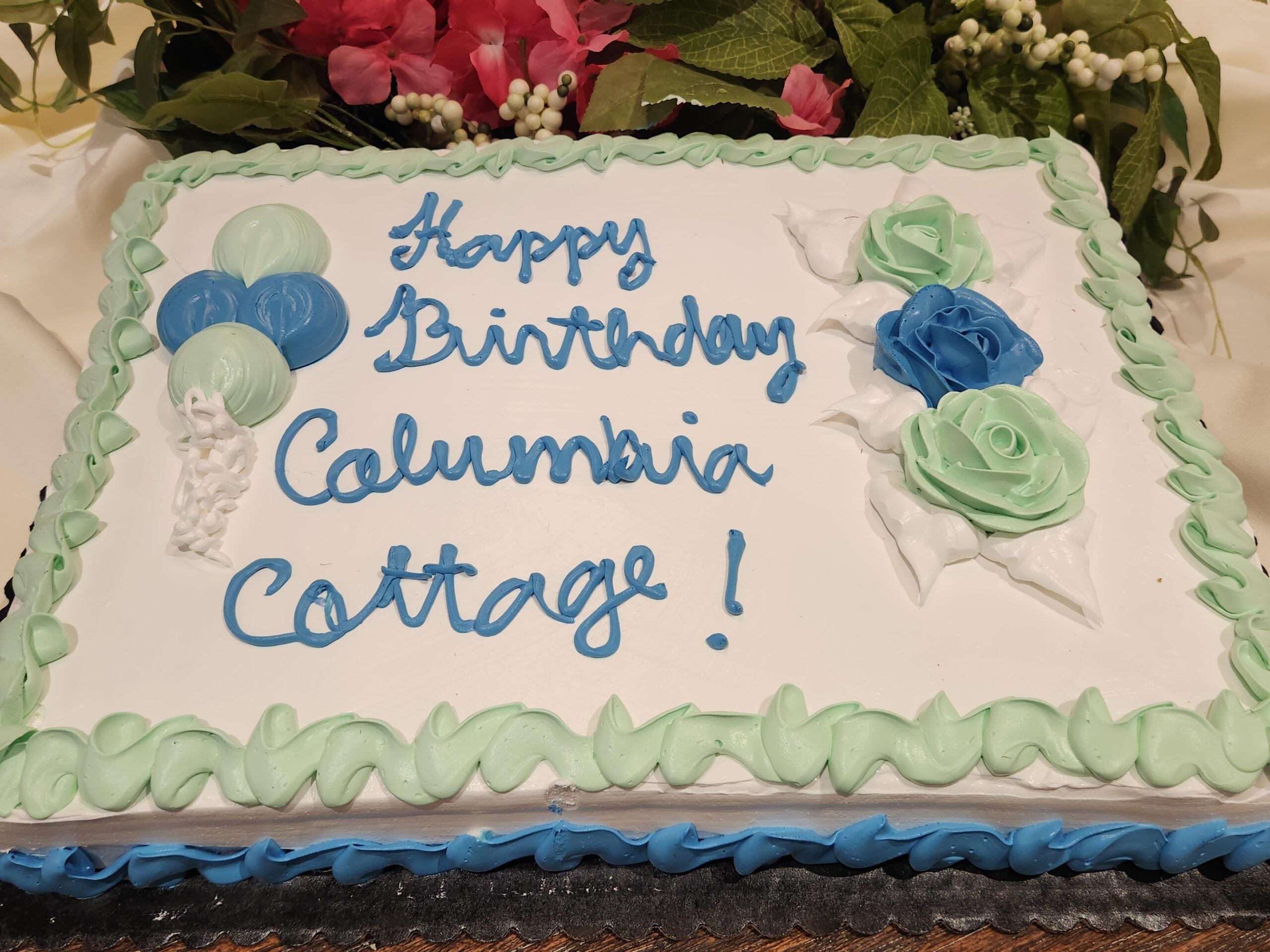
We celebrated being open for 1 year on April 26th! We are continuing to grow and welcome new residents. Watch our new TV commercial on WHP21, featuring our own staff and residents, to see why our residents love living at Columbia Cottage Linglestown.
Taking care of a loved one who has dementia requires patience and the ability to set up a comfortable environment that helps create a routine that will make everyone feel safe. Today, many smart-home products help allow loved ones to live safely in their home with great success. Some of these great tech toys would be useful for anyone, but for those struggling with dementia, they can be total game changers. These gadgets can also make life easier for a caregiver by automating some of their daily chores, giving them more respite and time to spend with their loved ones. Transformative Smart-Home Tech Check the front door with a smart-camera doorbell to see who is coming and going. No more lost keys or getting locked out when you have a smartphone and smart-house lock. The smart lock can also prevent wandering. Combine with a camera doorbell, and you can let caregivers or housekeepers into the house even if you are away. Set the lights at the perfect level for the time of day or to accommodate sensory issues. Add motion-detecting lights to reduce fall hazards and lower electric bills. Reduce wandering and ensure your loved one never gets lost by tracking where they walk with a smartwatch, GPS tracker, and shared maps. Play movies for a loved one from afar over smart TVs and shared accounts. Make laundry a breeze with scheduled cycles in smart washers and dryers. Set up home monitoring indoors and out with smart cameras. A smartphone can also be made simple by using photos and extra-large buttons to make dialing friends, family, and caregivers easier. A smart device like Siri or Alexa helps answer the questions that might be asked repeatedly throughout the day, like the time, temperature, and weather. Now your loved one can ask whenever they would like without exhausting a caregiver. In addition, they can use this tech to add items to a shared grocery list, make phone calls, and even play favorite songs, TV shows, or films. Smart voice assistants can also be programmed to set reminders for medication, doctor appointments, and TV shows.

Do you know why we celebrate Flag Day and how it came about? After the flag's creation, several people in the late 19th century had a helping hand in creating the holiday—but it's unclear who officially suggested its' creation first. One key person was B.J. Cigrand, a Wisconsin-born schoolteacher, who continuously proposed an annual observance of the flag in magazine and newspaper articles. He even arranged for his pupils to celebrate a day recognizing what he called the flag's " birthday " on June 14. Another person involved was George Morris, a Hartford, Connecticut resident who instituted a formal observance of the day in his hometown. There was also George Bolch, a New York kindergarten teacher who planned Flag Day ceremonies for the kids at his school. Meanwhile, Elizabeth Duane Gillespie—a direct descendant of Benjamin Franklin—pushed for a similar observance in Pennsylvania in 1893. But it wasn't until May 7, 1937, that Pennsylvania became the first state to establish Flag Day on June 14 as a legal holiday, according to the U.S. Department of Veteran Affairs. It took three presidents to get Flag Day on the government's radar—President Woodrow Wilson issued a formal proclamation for Flag Day in 1916, and President Calvin Coolidge did the same in 1927. But in 1949, Congress finally approved, and President Harry Truman signed the national observance of Flag Day on June 14 into law. "It is our custom to observe June 14 each year with ceremonies designed not only to commemorate the birth of our flag but also to rededicate ourselves to the ideals for which it stands," Truman said in his proclamation. "This beloved emblem, which flies above all our people of whatever creed or race, signalizes our respect for human rights and the protection such rights are afforded under our form of government." So what is Flag Day to President Truman? It's more than a day to celebrate the physical flag.

Father's Day was invented by American Mrs. Sonora Smart Dodd, who wanted to honor her father. He was a veteran who had raised his six children as a single parent. The first Father's Day was celebrated on June 19, 1910. The first American president to support the concept of Father's Day was President Calvin Coolidge, who did so in 1924… but it wasn't until in the year 1966 that President Lyndon Johnson signed a presidential proclamation that resulted in the declaration of the third Sunday of June as Father's Day. According to greetings card makers Hallmark, Father's Day is the fifth-largest card-sending holiday. Going for a floral gift? Traditionally fathers should be given the gift of white or red roses. The rose is the official flower for Father's Day. A red rose signifies a living father, while a white one represents a deceased father. Surprisingly, the trusty slipper gift isn't the most popular Father's Day present – it's actually a tie.
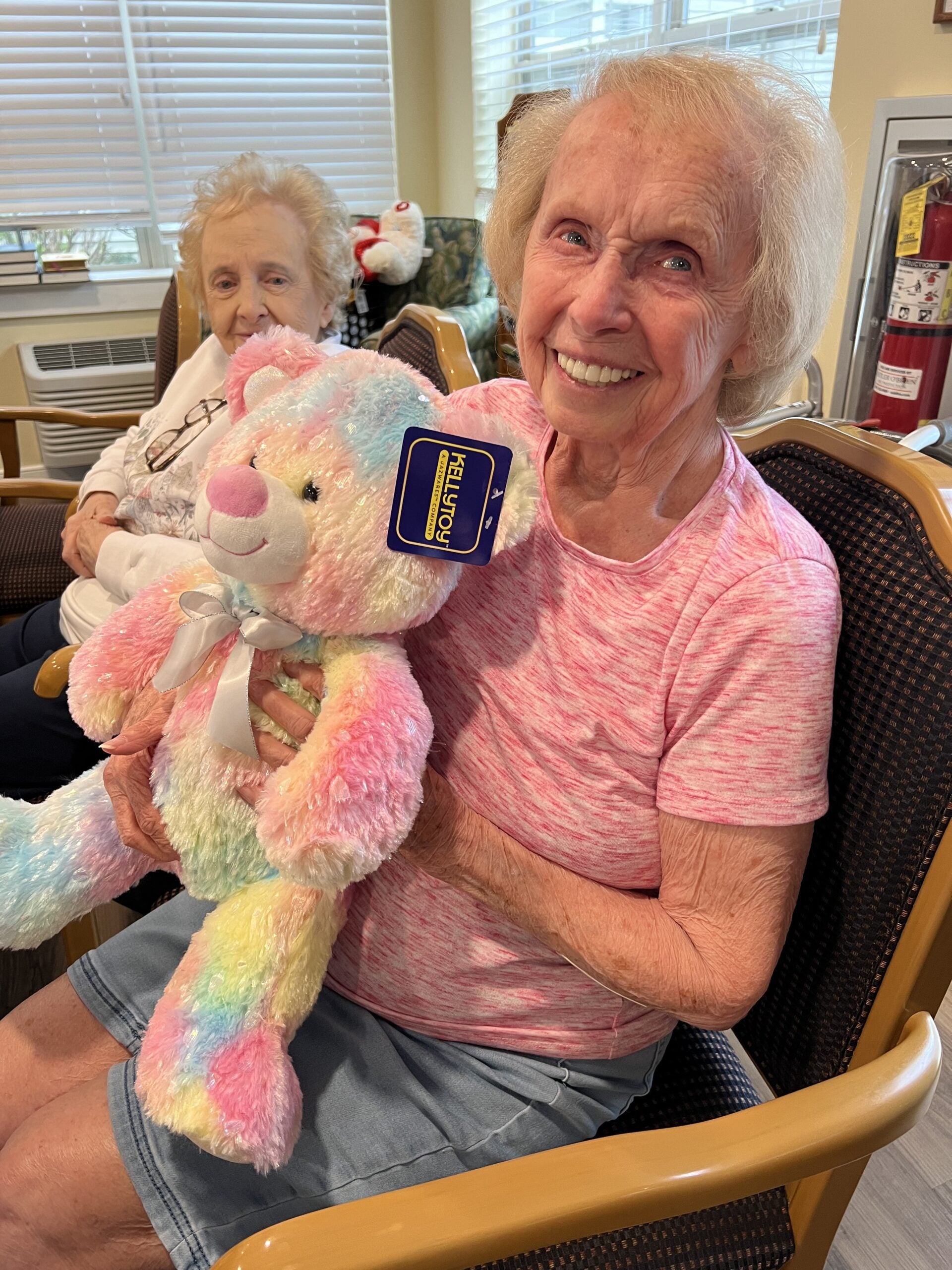
We’ve now done two Cottage Country Stores and it’s been a hit with our residents! Whenever residents play bingo, they receive one Bingo Buck per win (5 for coverall). They then get to spend these Bingo Bucks at our Cottage Country Store which we schedule on the last Friday of every month at 2:00 where residents can choose from prizes such as snacks, personal care items, puzzle books, and more. In April, we introduced a raffle prize of a cotton candy teddy bear. Residents used one buck per entry, and the competition was stiff! Our winner ended up being Ms. Betty, who was excited to win the bear for her soon to be great-granddaughter. Congratulations to all our bingo winners!
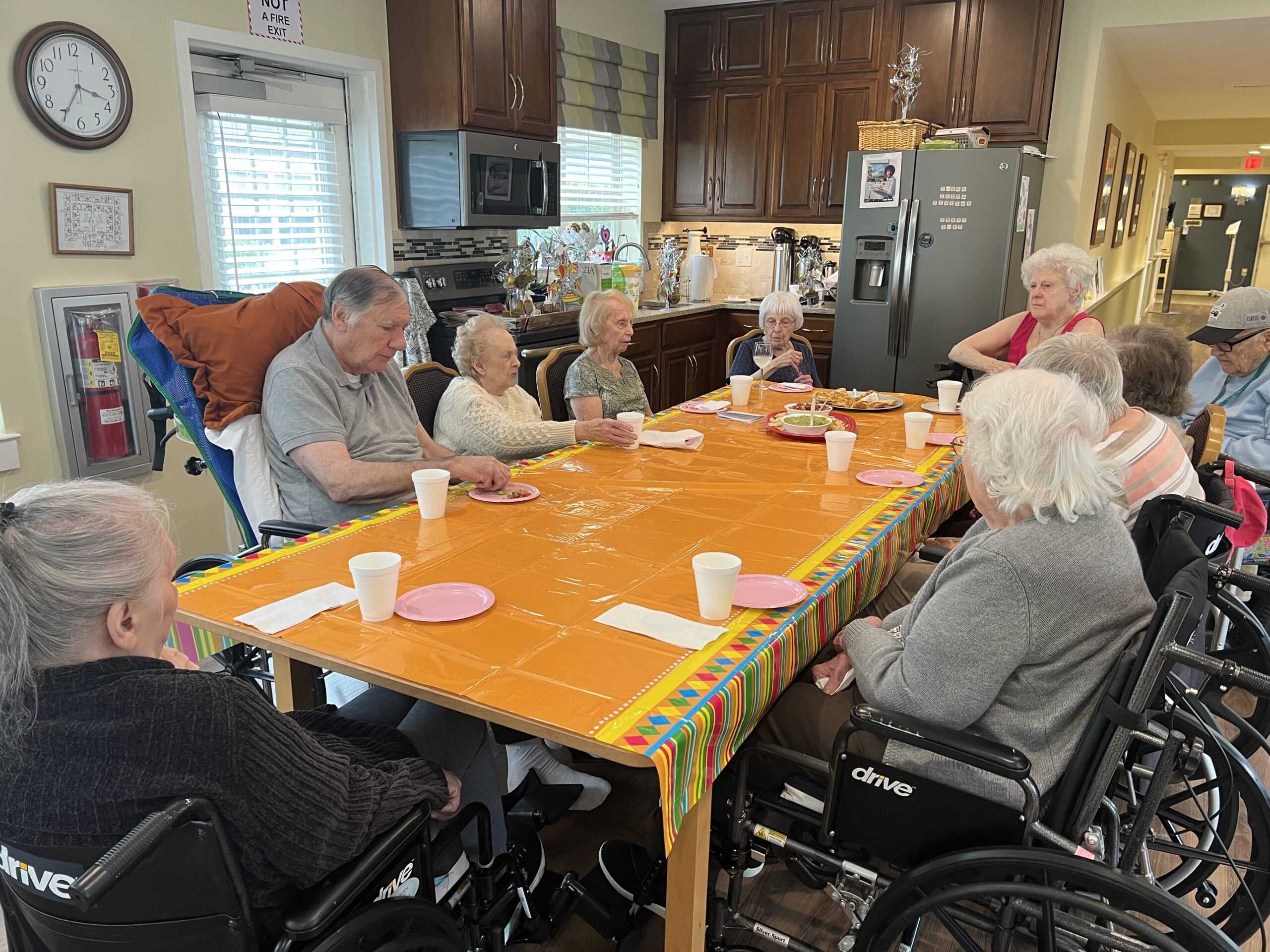
This year for Cinco de Mayo, we learned about the history behind the holiday! Residents learned about the Battle of Puebla and how a small army defeated a big one. All were surprised to learn about how the little guys won. We also enjoyed some tasty snacks made by our wonderful Food Service Coordinator, Justin, which included guacamole, pico de gallo (salsa), and chicken quesadillas. What a fun and educational way to spend the day!
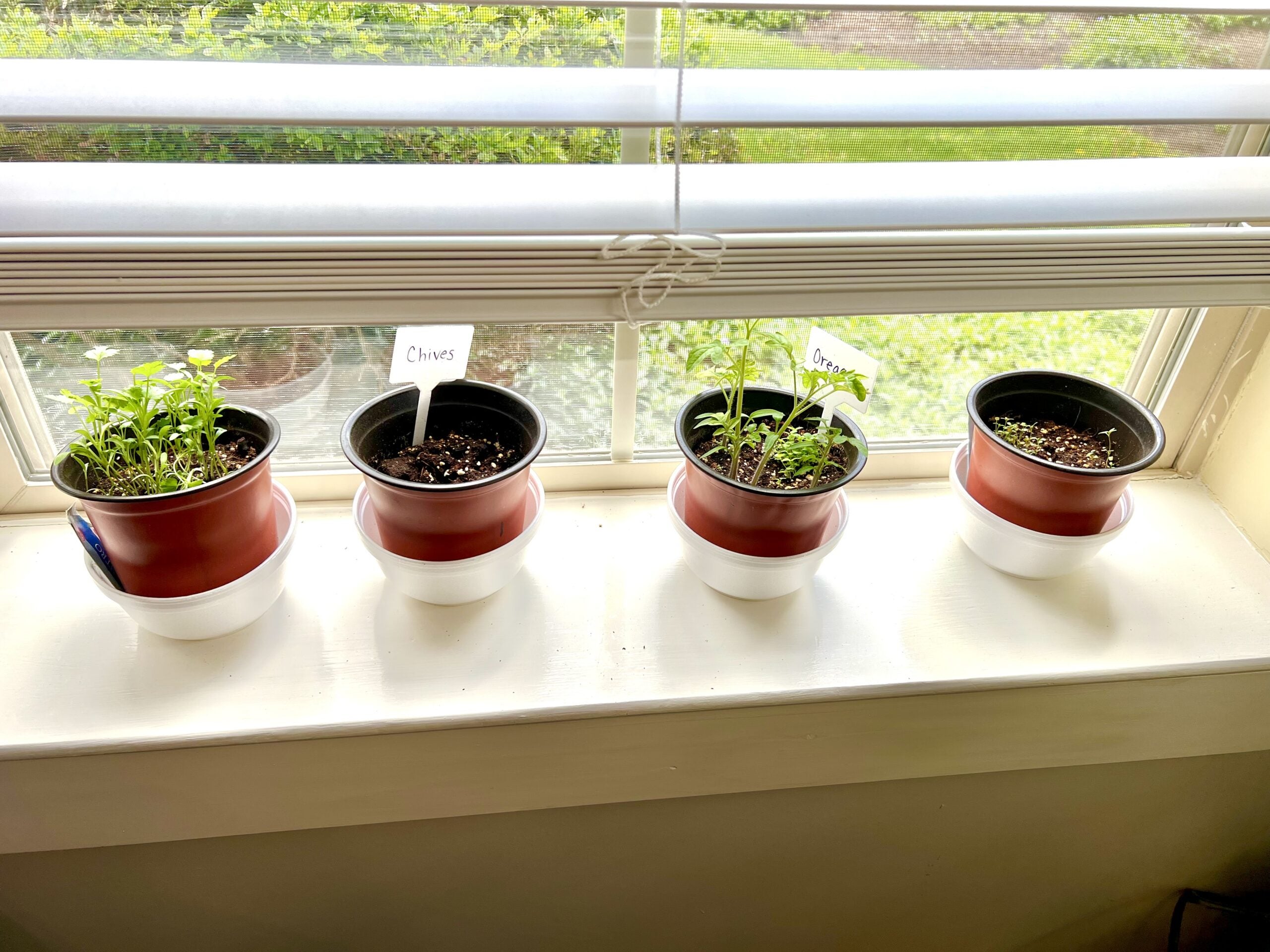
Back in April, we began the process of starting our herb and tomato gardens, and boy are they sprouting! Residents have been amazed each day to see how quickly they have grown overnight. Soon we will be enjoying our cherry tomatoes, sweet peppers, beefsteak tomatoes, and a bounty of different herbs! In addition to our garden, some lovely landscapers came in and added a BUNCH of beautiful flowers outside of the cottage and we are over the moon about how it looks. If you haven’t been by to see our beautiful array of flowers yet, come in and check it out!

One of the many joys our team members cherish is the ability to engage with our residents and to listen to the truly unique and all-inspiring life stories. Given that no one has ever experienced exactly the life you have, I encourage us all to consider that God’s purpose for you may be for you to share your special story and the good things God has done for you or a loved one. Be willing to tell others about what He has done as every day you may encounter hurting people who have no idea who God is or where to find Him. You can be a unique instrument of peace by telling them how much He loves them and wants to have a relationship with them. So, write a letter or e-mail to someone today and share your story!

When it’s time for your parent or other loved one to transition into a retirement community or assisted living facility, you might be giving up a caregiving role you’ve grown used to. This time can be challenging for many, with some people experiencing guilt, grief, or other emotions about the situation. But transitioning from caregiver for a family member to a familial relationship can benefit both parties, even if it takes some getting used to! At Columbia Cottage, we have experienced this transition with many of our residents’ family members, so we understand how difficult it can be. Here is some information that might be useful to you during your journey as you transition from your current role back into the role of a family member or loved one to the person joining our community. Contact Us About Living Here Understanding the Emotional Impact To understand the emotional impact of transitioning from a caregiver back to a family member, it is crucial to acknowledge the complex feelings that may arise during this period. Once you start thinking, “I need a caregiver for my mom or other loved one; I am not capable of handling this on my own anymore,” you might start to feel conflicting emotions. This move from acting as in-home care for an elderly parent to no longer being the caregiver can include a sense of loss, guilt, relief, and even grief as the caregiving role that has become a significant part of one's identity changes. It is important to give yourself permission to experience these emotions without judgment and find healthy ways to process them, such as journaling, speaking with a therapist, or joining a support group for individuals in similar situations. Actively seeking out information on coping strategies and techniques for managing stress can also be beneficial. Maintaining open communication with your parent and other family members about the challenges and emotions you are experiencing can help forge stronger connections and provide a support network as you navigate this transition together. By understanding and addressing the emotional impact, you can create a more balanced and fulfilling relationship with your parent as they settle into their new living arrangement, and you can support yourself and your own needs more effectively. How Should You Navigate the Assisted Living Process? When navigating the change from caregiver to loved one, it is vital to be well-informed about various aspects of assisted living care. Selecting the right assisted living home requires thorough research and careful consideration of factors such as location, staff-to-resident ratio, quality of care, activities offered, and the overall atmosphere of the facility. Understanding the admission process is another crucial aspect, as it typically involves completing the necessary paperwork, providing medical records, and meeting specific eligibility criteria. Familiarize yourself with the steps involved and potential waiting periods to ensure a smooth transition for your loved one. Remember that being aware of the rights and responsibilities of residents and their families is essential in advocating for your parent's well-being. Residents have the right to privacy, dignity, respect, and autonomy. They should be able to voice concerns, participate in decisions about their care, and receive appropriate medical attention. As a family member, you must stay informed about your loved one's condition, communicate with the assisted living staff, and actively participate in care planning meetings. By equipping yourself with this knowledge, you can better support your loved one during their transition to their new community while reestablishing your role as a family member rather than a primary caregiver. Contact Us About Living Here How Can Ensuring Quality Care Help Me Become a Family Member Again? Part of becoming a family member again after a period as a primary caregiver means giving up the feeling that you are the only person that can care for your loved one. Ensuring your loved one receives quality care can help relieve these uncertain feelings and any guilt you may be experiencing for passing on the responsibility for their care to a team rather than yourself. Build relationships with the staff: Establishing a friendly rapport with the assisted living staff, including administrators, nurses, and aides, can help you feel like you are part of the care conversation surrounding your loved one. These relationships will help create a supportive environment, making it easier to address concerns and collaborate on care plans for your parent. Regularly visit and monitor their well-being: Schedule frequent visits to observe your parent's condition, mood, and overall well-being. Take note of any changes in their physical or emotional state and report them to the staff. These interactions will show that you are an involved and attentive advocate for your parent's needs. Maintain open communication with the staff: Attend care conferences, and schedule regular meetings with your parent's care team to discuss their progress, any concerns, and potential adjustments to their care plan. Keep lines of communication open and be proactive in sharing any information that may impact your parent's health and well-being. Staying Involved in My Loved One's Life Make each visit meaningful to maintain a strong connection with your parent or other loved one in a retirement community. Engage in activities that cater to their interests and preferences, such as reminiscing over old photographs, listening to their favorite music, or participating in a hobby they love. Plan enjoyable outings or in-room experiences to share quality time, like taking strolls around the community grounds, playing board games, or watching their favorite movies. Don't forget to celebrate special occasions by organizing small gatherings with family and friends, decorating their living space, or sharing a meal to create lasting memories and bring joy to their life. These activities can help you get back into the swing of being a family member instead of being a family caregiver. Are There Any Legal Considerations Involved in this Transition? While you may no longer be the primary caregiver for your parent or loved one, it is still vital that you help them with their legal documentation. Having crucial legal documents in place when entering an assisted living facility is essential to safeguard a person's interests and ensure their wishes are respected. Some of these documents may include: Power of Attorney (POA): Designates an agent to manage financial and legal affairs. Healthcare Power of Attorney (HPOA): Appoints an agent for healthcare decisions. Advance Directive: Outlines medical treatment and end-of-life care preferences. HIPAA Authorization: Grants access to medical records for designated individuals. Do Not Resuscitate (DNR) Order: Instructs healthcare providers not to perform life-saving measures, if desired. Preparing these documents in advance offers peace of mind and helps guide caregivers and family members during critical moments. And if you’ve been caring for a family member for a while, you will likely already have access to and an understanding of many of these documents. Contact Us About Living Here How Is Self-Care for Adult Children Helpful During This Transition? During this transition, it is crucial to prioritize your well-being by setting boundaries, which may include designating specific times for visits and self-care activities, ensuring you don't become overwhelmed by your parent's needs. Seek support from friends, family, or support groups who can empathize with your situation and offer valuable advice, as shared experiences can help alleviate feelings of guilt or loss around ending your role of being a caregiver for a family member. Remember to practice self-compassion and recognize that providing the best possible care for your parent sometimes requires making difficult decisions; acknowledging and managing these emotions will enable you to maintain a healthy balance in your life. Transition into Your New Role with Help from Columbia Cottage When your parent or other loved one is ready to transition into assisted living care, and you need to adjust back from a caregiver for a family member to a loved one, we can help. Family caregiving is a delicate balance, and there is no reason to feel overwhelmed or guilty throughout the process. Get in touch with us today to learn more about our community and what we can do to make this transition as easy as possible for both of you! Contact Us About Living Here Sources: Moving a Parent to Assisted Living: 12 Strategies to Ease the Transition - Working Daughter Placing a Parent in a Assisted living: How to Make It Easier (greatseniorliving.com) Transitioning from Caregiver to Advocate for Your Aging Parent (harborchase.com)