Contact Us to Learn More

Blog / Linglestown News

Blog

All Linglestown News Collegeville News News Hanover News Wyomissing News Hershey News Blog Assisted Living Advantages Honoring Choices What To Expect Columbia Cottage Service Guides Health and Medical Practices Services And Amenities
92882041060-1009792005159070

Old People Are Cool

“Growing old is the purest and most positive experience of human existence. A society’s worth is measured by how it treats its elders. Ageism currently isolates and marginalizes older adults, dulling our communities, dampening our reason for being and inhibiting our collective achievement and optimal growth. Let us unite against ageism and ignorance. Let us dissociate age from the stereotypes of weakness and irrelevance. Let us be enriched by the wisdom, grace and patience that elders offer. Let us respect that a person is a person no matter how old. Let us comfort those in need, support the vulnerable, be patient toward all. Let us celebrate intergenerational, interdependent values. Let us embrace and respect aging adults as a valued part of our culture. In doing so, we will become better, we will become ourselves, we will become immortal. May the Age be with you. “ Brought to you by the team at Linked Senior

20240227_141855

Stress Ball

Our Memory Care residents enjoyed the sensory experience of kneading and shaping stress-free slime!

baker

“Malice towards none, charity for all”

February at Columbia Cottage was a rich mosaic theme of love, historical exploration, and presidential influence. Inspired by President Lincoln's timeless words, "Malice towards none, charity for all," we embarked on a journey that resonated with every resident. Shining a Light on Black History: We celebrated the achievements of Black Americans throughout February by highlighting four trailblazers: Military: The visionary leadership of Colin Powell was remembered. Policy: The unwavering voice of Senator Barbara Jordan echoed through our halls. Secretary of State: The diplomatic brilliance of Condoleezza Rice was celebrated. Fashion and Film: The artistic legacy of Gordon Parks was admired. Embracing the Message: By the end of the month, we had collectively explored themes of togetherness, love, and the power of historical reflection. We discovered that "Malice towards none, charity for all" is more than just a quote – it's a guiding principle that inspires empathy, understanding, and a deeper appreciation for the life tapestry of our community. This glimpse into February at Columbia Cottage-Linglestown is just a taste of the engaging activities and meaningful connections we foster every month. We invite you to join us in creating a vibrant and enriching environment for our residents. ~ Lawrence Wilson, Activities Coordinator Celebrating Love Language and Valentine's Day: February wouldn't be complete without celebrating LOVE! We explored the concept of" Love Language," by Dr. Gary Chapman, helping residents identify and appreciate the unique ways they express and receive love. Our Valentine's Day party was filled with laughter, delicious treats, and a heartwarming performance by our very own Nurse Practitioner, "Dr." Heather, who serenaded us with a delightful ditty. Beyond the Love: We delved into the rich history of the American presidency including Ken Burns' captivating documentary, "The Roosevelts”, exploring the lives and legacies of Teddy, Franklin, and Eleanor. Also, as a gesture of kindness, residents created care packages for sheltered animals, demonstrating their compassion for furry friends in need.

journal

Journaling for Caregivers

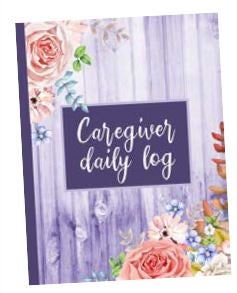
You’ve probably heard or read about the benefits of keeping a journal. Perhaps it was Oprah recommending that you record five things you’re grateful for every day, or maybe it was a teacher or counselor who viewed journaling as a way to clarify your thoughts and feelings and help solve problems. Regardless of the reason, there are great benefits to journaling, especially if you’re a caregiver or family member to someone with dementia. It’s a safe way to give a voice to conflicting emotions. Scientific evidence supports journaling. Numerous studies have proven that journaling is particularly helpful when processing a difficult or traumatic event. Naming what you feel, whether sadness, anger, frustration, etc., has a positive effect similar to talk therapy. Life can feel chaotic and unmanageable when people are going through a crisis. Writing, even in a free-form way, is a way of organizing thoughts and emotions. You may not feel more organized, but jotting down events and feelings improves memory and allows the brain to “shut off” so you can fall asleep. For more structure, there are several resources like the Caregiver Daily Log Book to help caretakers organize and document their loved ones’ daily vital signs, sleep patterns, medication, and communication. Starting a journal may seem overwhelming. Using a sensory image, a list, or a sentence starter may be helpful. The Caregiver’s Journal offers prompts and open-ended sentences as well as space for personal musings. Although the journal is geared toward caregivers, many prompts work just as well for someone in the early stages of dementia. Another way to make journaling simple is to write down one sentence or thought daily. This might seem small, but forming a new habit, like journaling, is easiest when it’s done daily. There are even One Line a Day journals to help. Even one sentence a day can convey a lot, and the lines add up. Looking back at the journal, you have a page or more each month. Here are some more simple tips to keep in mind: Start with the day, the date, and the year. Include a brief description of the weather if you feel moved. Allow 15 minutes to write first thing in the morning to develop the writing ritual. Forget about grammar, spelling, and punctuation! Let the feelings and words flow, whether one sentence or an entire page. Technology can be useful if handwriting is difficult or inconvenient. Use a portable computer or cell phone to record audio or video “journal entries” throughout the day. Goodwin says that it doesn't matter if what’s recorded is legible. “Journaling provides the caregiver the opportunity to reach beyond themselves and communicate their complicated thoughts and feelings.”

90 year old birthday

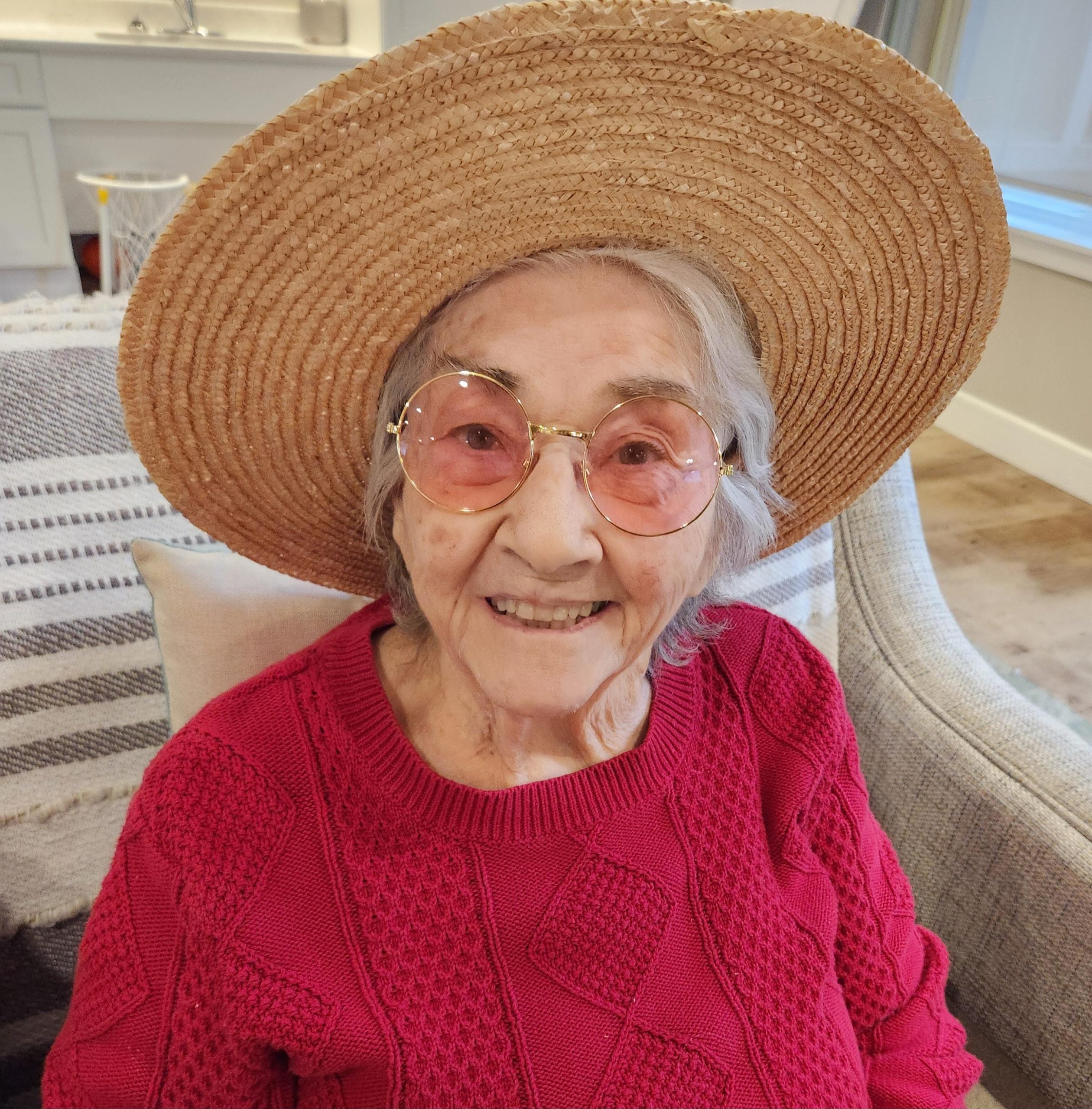
A Celebration of Joanne: Honoring 92 Years of Inspiration and Achievement

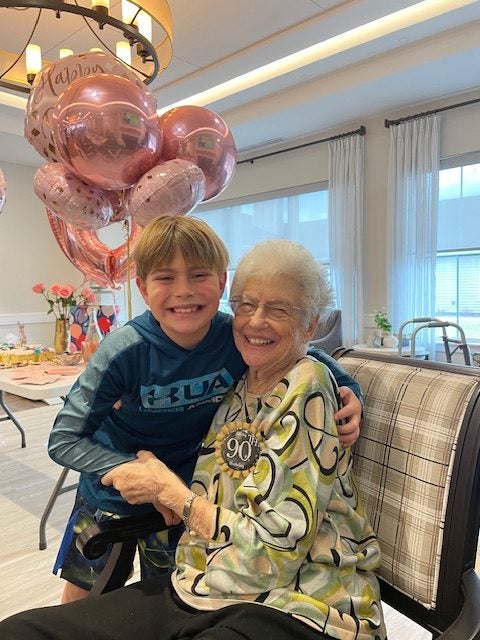
We were delighted to celebrate Joanne’s 92nd birthday in February. We felt honored to share this special day with her.  Even at 92, Joanne remains an avid golfer, inspiring us all with her athleticism and active lifestyle. We are so proud of all her achievements!

Paws and play (1)

Paws and Play

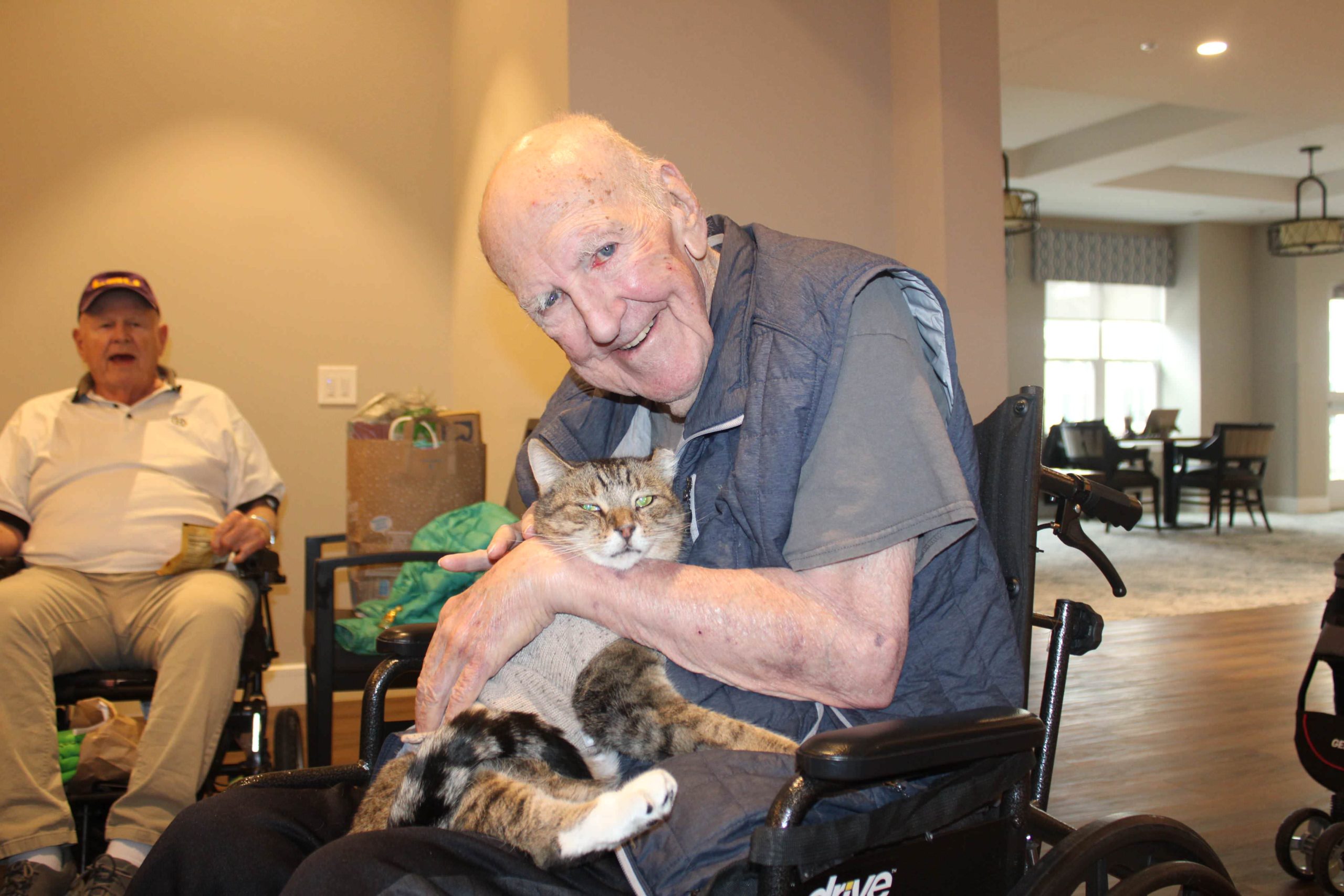
On National Life Day we learned about the wonder of puppies, exploring facts about their development and cute antics. Later, Caring Hearts Animal Visit brought by cuddly friends to shower with affection. Their silly playfulness and soft fur filled our hearts on the yearly day dedicated to appreciating all creatures great and small.

Rocking through time (2)

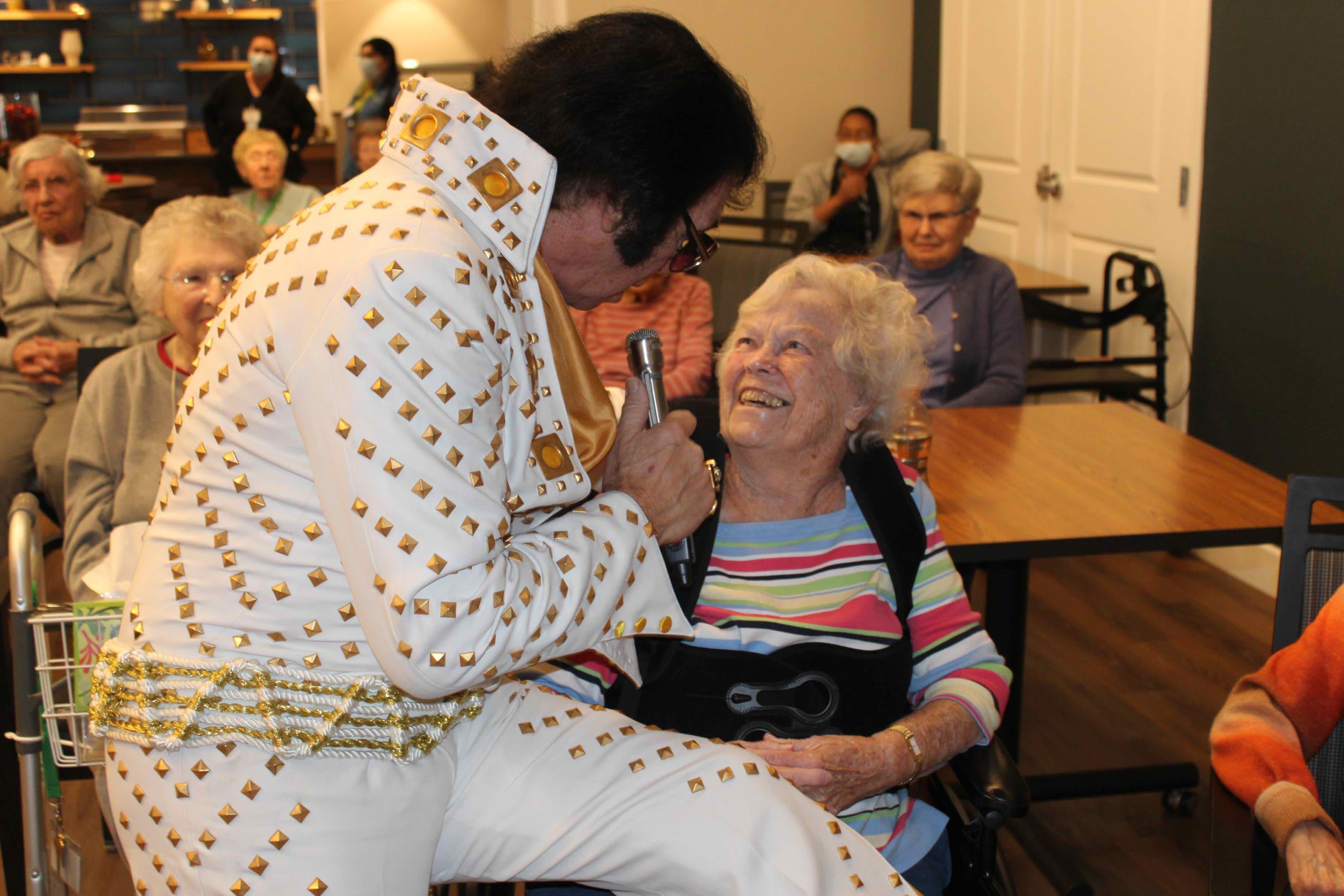
Rocking Through Time

Elvis returned on his birthday this month, treating us to a special hip-swinging, toe-tapping performance of blue suede classics that transported us through the decades.

92882041060-1009691759137070 (1)

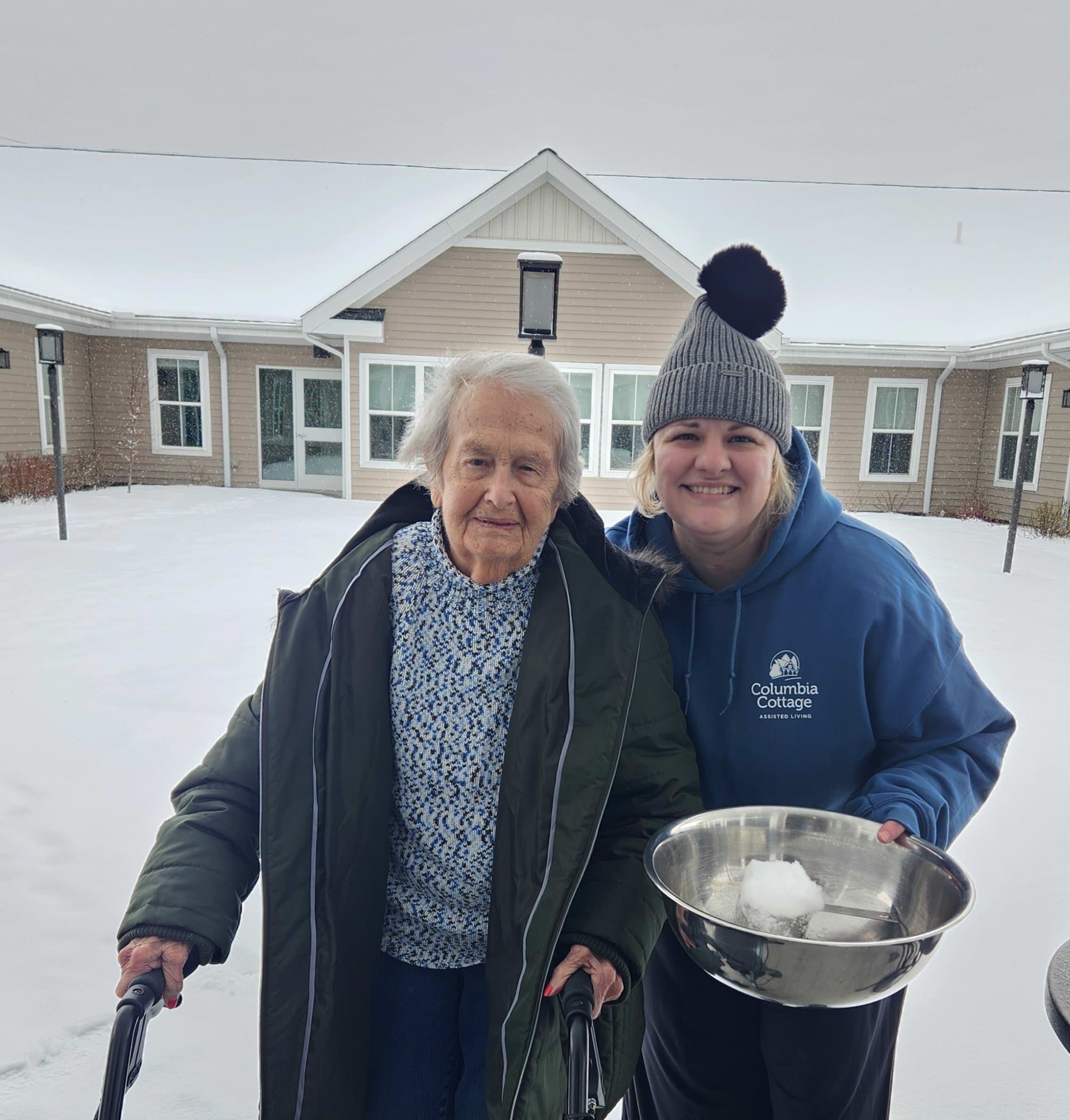
Frosty Delights: Snow Ice Cream Social

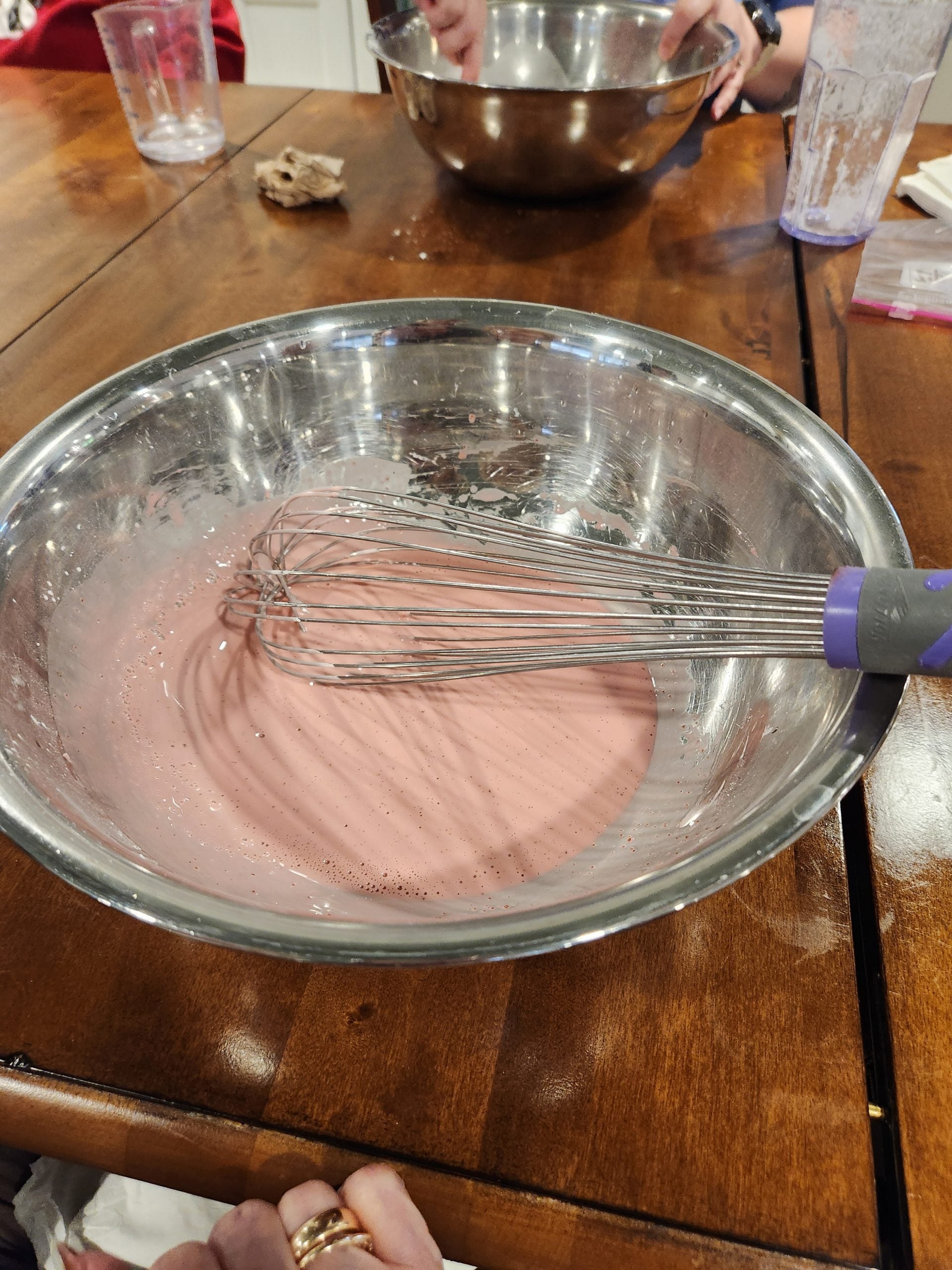
When the winter chill brought a fresh blanket of snow, our hot cocoa social took a creative turn as we whipped up frothy batches of snow ice cream to sweeten up the season. We savored the velvety vanilla-infused flakes on a day meant for cozying up by the fire with cool treats.

Meet Amber Wolfgang, Picture

Meet Amber Wolfgang: Our New Resident Services Director!

Columbia Cottage would like to welcome Amber Wolfgang to our team as our new Resident Services Director. Amber has been working in the Harrisburg area as an LPN since 2009 and has years of management experience working in sub-acute rehab. Amber was raised in Mifflin county, in a small town called Yeagertown before moving to Harrisburg. Amber has three daughters (21, 17, & 8), a grandson, and a granddaughter on the way! In her spare time, Amber enjoys spending time with her boyfriend, cooking, drawing, watching movies, and playing games. Welcome to our Team!

Don’t Get Parched in March

We tend to think of dehydration as a problem associated with summertime. But often, people drink less in cold weather because they feel less thirsty. Hydration is important for overall health, and recent studies show that staying hydrated might slow the progress of memory loss as well. Researchers followed the hydration patterns of 11,000 adults for 25 years. In 2023, they published their results in The Lancet. People who stayed hydrated were less at risk for premature death and chronic diseases, including dementia. The study suggested older adults put a hydration routine in place, especially if they are already experiencing memory loss. Before we talk about hydration routines, let’s remember the body’s need for water as we grow older. The human body is typically made up of 60 percent water. But as people age, their muscle mass reduces, which lowers their body composition to about 50 percent water. This change in water weight means that a drop in water consumption feels more drastic to the system. Yet, there are plenty of reasons older adults might drink less water. Issues with the bladder and incontinence might make people tend to avoid water. If they need assistance going to the bathroom or find it tiring, it’s natural to avoid liquids. Mobility issues like arthritis can also impede someone from getting a drink and getting to the restroom. Many study participants also reported taste and smell changes that made eating and drinking less desirable. Other people might take medication that reduces their body’s water weight. Some seniors might find that changes to their kidney function mean they don’t hold on to as much water as before. People with memory loss face unique challenges to staying hydrated in that they might forget to drink liquids altogether. Their brain and body don’t communicate effectively to tell them when they are thirsty, so they aren’t always able to recognize when they need a drink. For caregivers, preventing dehydration can be an ongoing challenge that involves difficult decisions. For all of these reasons, water intake for older adults is especially important in the winter months. Here are some techniques for encouraging hydration: Keep water easily accessible all day. Suggest regular sips of water throughout the day. Serve drinks during activities throughout the day. Alternate plain water with light fruit punches or similar. Offer watermelon, celery, and other water-rich foods as snacks. Monitor medication side effects to see if they are increasing dehydration. Medication time might also be a good time to encourage taking a few extra sips of water. Remind staff, family, and friends to integrate drinking fluids throughout the day. Provide fun cups that people enjoy drinking from. See who prefers straws, who likes ice, and who loves sporting a bedazzled pink reusable water bottle. Ensure walkers/wheelchairs and tables have places to put drinks or areas in reach to set drinks.

20231213_141730

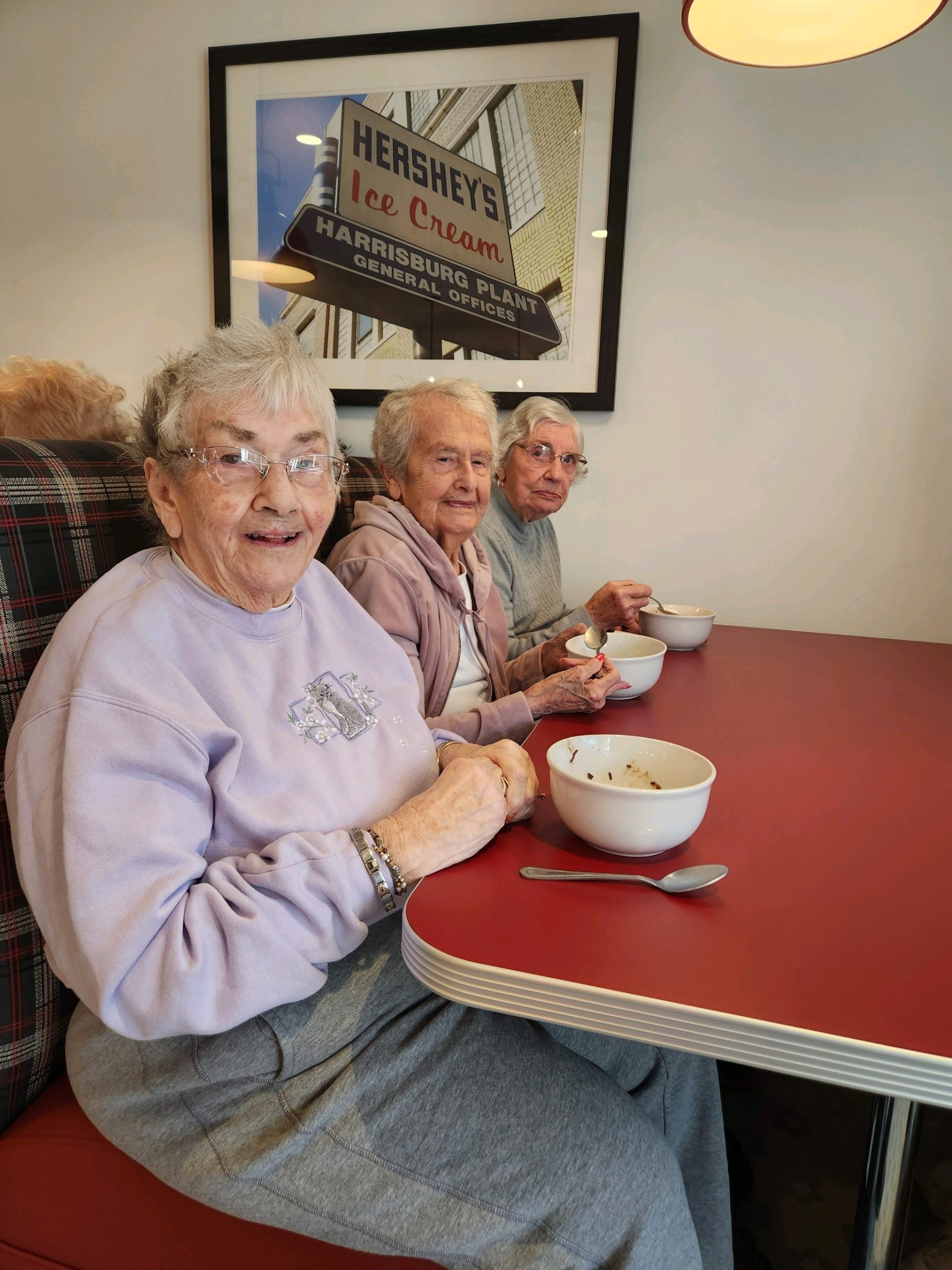
Ice Cream

Memory Care Residents making good use of our Ice cream parlor. "It is a grave error to assume that ice cream consumption requires hot weather." - Anne Fadiman

musical-animals

Musical Memories

By Brooke DeNisco, Activity Connection Music is deeply embedded in multiple parts of the brain, so people can often recall songs they love, even with memory loss. Humans respond and remember harmony or musical chords. This memory gets deeper with repetition. If you’ve heard a song hundreds of times, the harmony becomes almost embedded in the brain. Often, music is associated with emotion or big events, like graduations, weddings, and holidays. Music drives people to tap their feet, snap, or dance. People have a greater capacity for recall when something is harmonic, repetitive, coupled with physical activity, and sparks emotion. Studies have shown that music may reduce agitation experienced by people with dementia. Even in the late stages of Alzheimer’s, a person may be able to tap a beat or sing lyrics to a song from their youth. Music decreases levels of the stress hormone cortisol. When you listen to music, your brain releases dopamine. One small study found that just anticipating a song’s harmony can get dopamine flowing. Dopamine is a mood elevator, and with heightened mood comes a better capacity for problem-solving. Incorporating a person’s favorite music into their daily routine can help them cope better with stress and may encourage them to move or exercise more. Enjoying music with others is a low-pressure way to socialize and connect. This is beneficial to caregivers as well as people with memory loss. Listening to music that brings joy causes blood vessels to expand, increasing blood flow and improving cardiovascular health. A review of 26 studies covering almost 1,400 heart disease patients found that music reduced heart rate, blood pressure, and anxiety. Singing is particularly powerful. George Mason University researchers demonstrated that people with dementia who participated in choirs or sing-alongs showed improved cognition compared with their non-singing peers. Find out what music a loved one or person you care for with dementia enjoys. Try asking them or their family members. Many have the most emotional musical experiences in their teens and twenties. If a person was born in 1945, for example, they might enjoy hits from 1960 to 1970. Free streaming services like Spotify are ideal for creating personal playlists. For people around 80, the Top Hits of 1955 is a good starting point.

Contact Us

Fill out this form below and we'll contact you shortly
*Required Fields