Contact Us to Learn More

Blog / Linglestown News

Blog

All Linglestown News Collegeville News News Hanover News Wyomissing News Hershey News Blog Assisted Living Advantages Honoring Choices What To Expect Columbia Cottage Service Guides Health and Medical Practices Services And Amenities
brain-cartoon

Is It a Senior Moment or Dementia?

It’s common to experience more instances of forgetfulness or memory lapses as we age. The question frequently asked is: Are we having a “senior moment,” or is this the much-feared start of dementia? A senior moment, a non-medical term, is a popular way of describing such things as forgetting names, birthdays, where we parked the car at the shopping mall, or where we placed our glasses, keys, or phones. These kinds of memory lapses can occur at any age but are most associated with growing older. They can also be a result of hormonal changes, especially for women going through perimenopause. Illness, such as long Covid, may also result in forgetfulness or “brain fog.” Dementia is not a normal part of aging and differs from senior moments in the following ways: People with dementia are often unaware they are struggling to remember things. Senior moments, unlike dementia, are remembered and often joked about with others. Dementia interferes with a person’s ability to perform daily activities and effectively manage affairs, whereas—though they are frustrating—senior moments are temporary. As we age, there is an increased need to establish reminders for appointments and key With dementia, even reminders do not help a person remember important events. Disorientation to person, place, and time is not a part of normal aging. Though “tip-of-the-tongue” instances of trying to remember a name or fact are normal in aging, the inability to come up with the right words in conversation is not. Dementia is mysterious, and there is no cure yet. Healthy habits seem to reduce, or at least slow down, some of its effects. If some of the following suggestions seem daunting, give yourself grace and try doing just one small thing for your health every day. The following are what most doctors recommend: Exercise and stay active by remaining sociable and engaged. If this sounds challenging, try marching in place as you watch a television show. Greet your letter carrier or another “familiar stranger.” Maintain a healthy diet and sleep well. If you’re a night owl who loves chips, challenge yourself to eat lightly buttered popcorn and go to bed 15 minutes earlier than usual. Try to manage stress. This is easier said than done. If meditation and massages aren’t for you, try a line-a-day journal and write just one sentence about what’s on your mind each night. Maintain a routine. For instance, if you always put your phone or glasses down in the same place, you’ll be more likely to find them. Concentrate on the task at hand and avoid distractions. Visualize putting blinders on yourself or setting an alarm for 20 minutes before doing a task or chore. Keep working until the alarm sounds. See your health-care provider regularly, especially if you are concerned about symptoms. It’s okay to advocate for yourself and ask for routine blood tests. Keeping a written list of symptoms and bringing someone with you to health-care appointments signals that you are taking your condition seriously. Resources Having a Senior Moment vs Signs of Dementia or Alzheimer’s Senior Moment or Dementia? Know the Difference Normal Aging vs. Alzheimer’s: Key Differences
* Message from Randall - July 2024

Hi there, I’m Jett! You might have seen me wagging around the cottage recently. Traveling, visiting the cottage, and saying hi to everyone are some of my absolute favorite things to do—well, besides munching on my kibble! My full name is Jett Von Prufenpuden. Fancy, right? I’m a Giant Schnauzer, and my birthday is on July 2nd. I’ll be turning five this year! I love cake, but my people say it’s a no-go for me (so unfair!). I was born in Kentucky and spent my first two years at PDS Training School learning how to be the best dog ever. I learned all sorts of cool things like staying on my bed, heeling, following my people, and even protecting them. I got to visit all kinds of places and meet loads of people—over 100 families! No boring kennel for me. I met babies, horses, tractors, and bicycles and learned to stay safe around all sorts of farm equipment and animals. I played with other dogs like German Shepherds and Dobermans and was part of a big doggy pack. Now, I live on a farm in Pennsylvania with my people. There’s so much grass to run on! But I’m not allowed to chase the deer, turkeys, or squirrels. I do get to bark at them sometimes, though! The only thing I’m allowed to chase is groundhogs, but honestly, they’re not much fun. My people have lots of kids and grandbabies, and I love the babies, especially when they come for lunch or dinner and drop food on the floor. Score! I can nap with the babies and play fetch with the bigger kids. Swimming isn’t really my thing, but I do love getting wet at the pond when it’s hot. And oh, I love truck rides and meeting new people! I can’t wait to visit the cottage again and say hi to everyone because you’re all so nice!

92882041060-1009922664504070

Mother’s Day Tea

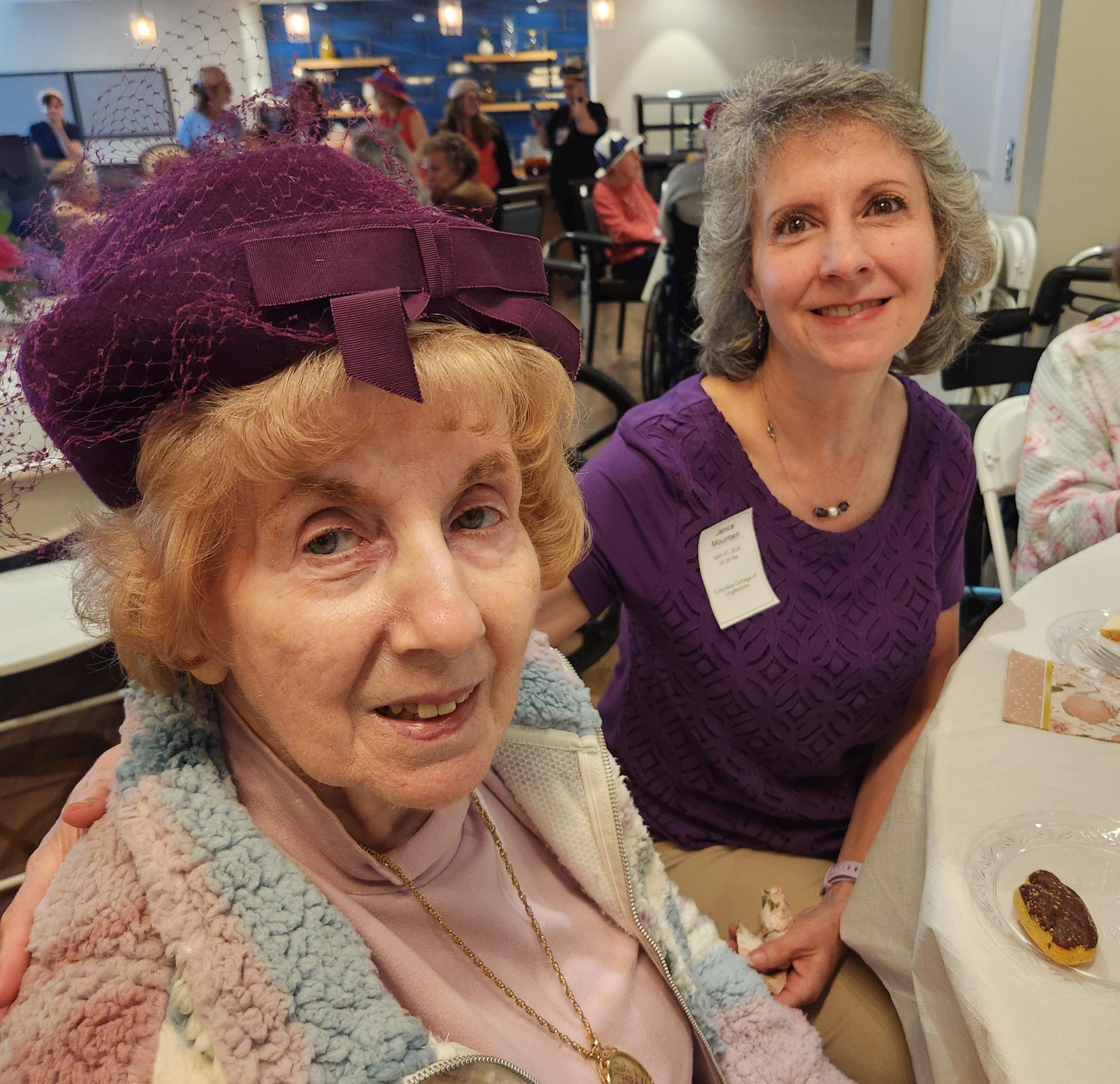
Happy Mother’s Day to all our wonderful residents and staff members. We celebrated with a lovely tea party and delivered a flower to every mother on Mother’s Day. Some of our favorite “Momisms” include: - You will ALWAYS be my baby. - I will always love you - no matter what. - Nobody will ever love you like your mother.

92882041060-1009905574507070

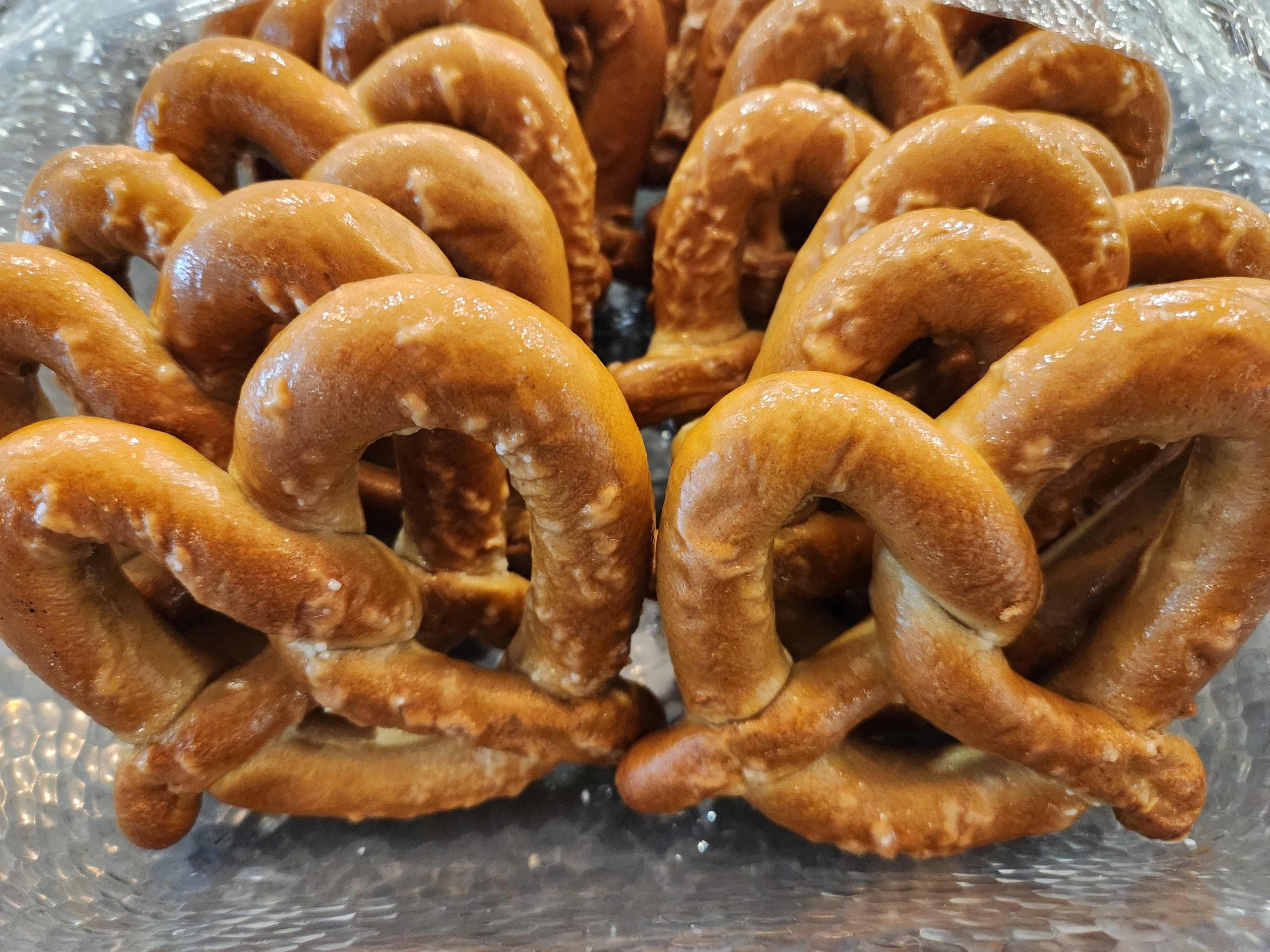
A Twisting Good Time

The staff and residents had a “twisting” good time celebrating Columbia Cottage Linglestown 2 nd year anniversary with soft pretzels and fun activities.

92882041060-1009905850921070

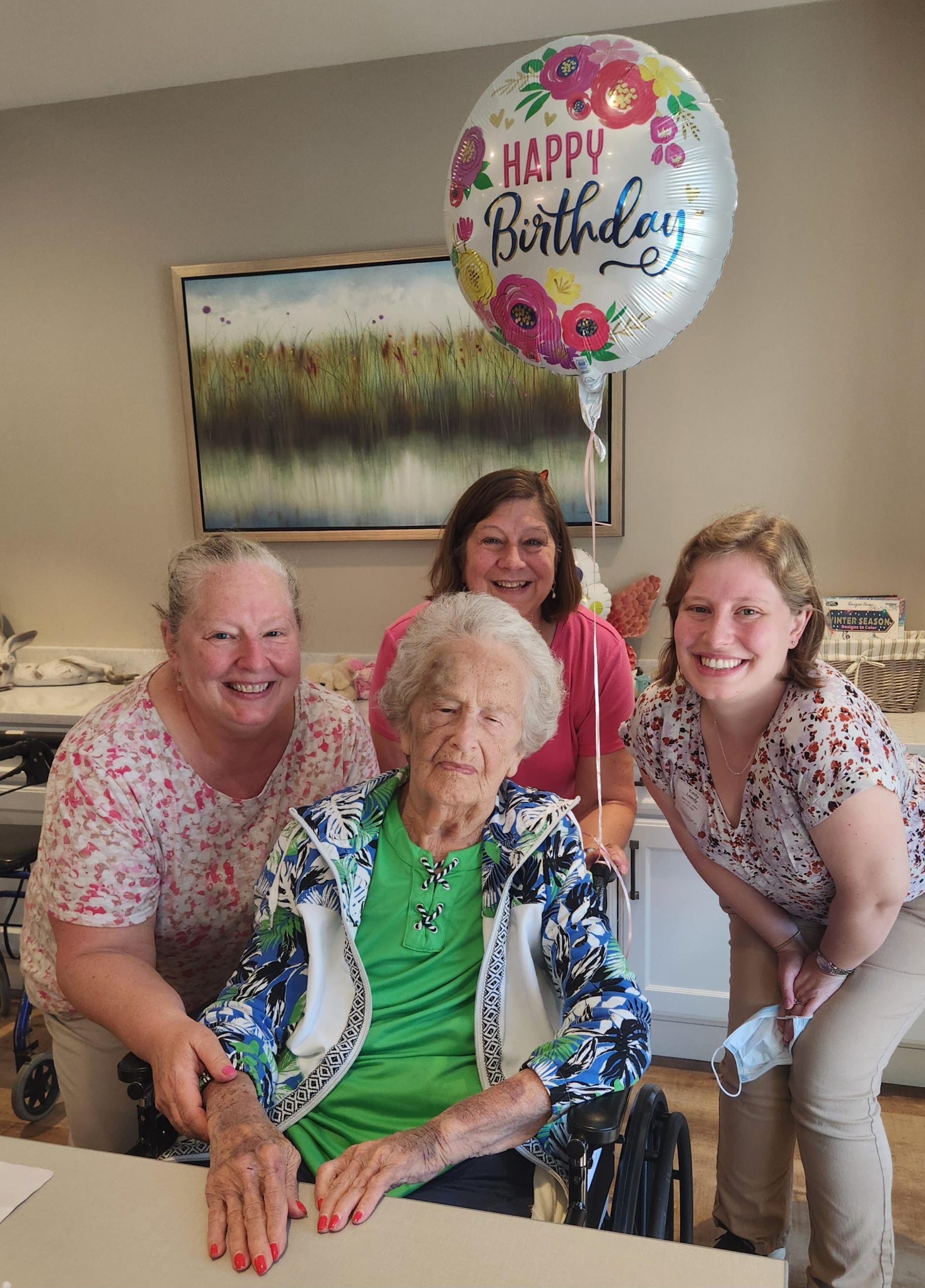
Birthday Girl

Janet (Birthday Girl), her family, and fellow residents celebrated her birthday in style with Rita’s ice. A refreshing treat after spending the morning basking in the sun. Happy Birthday, Janet!

92882041060-1009906166879070

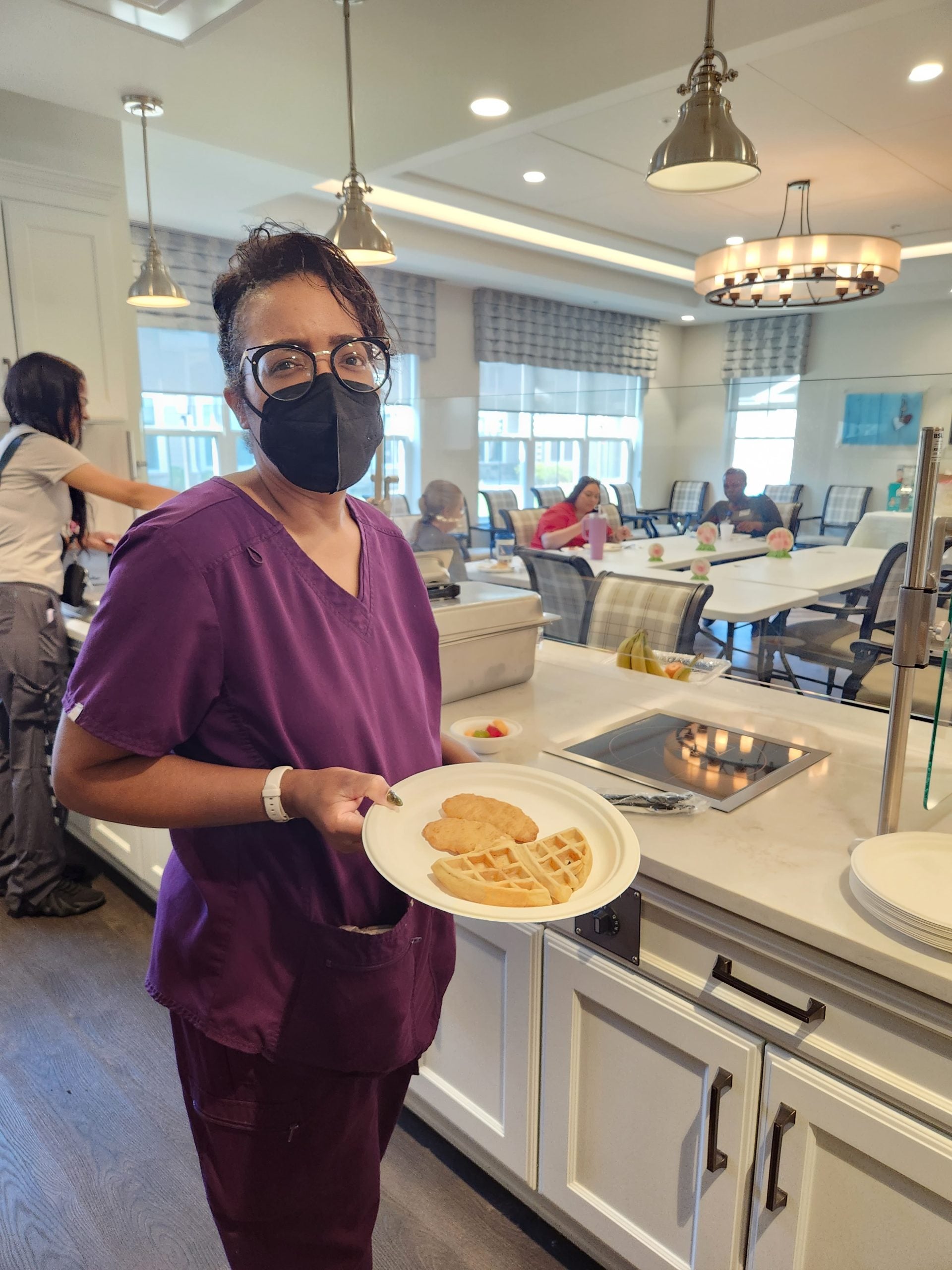
Appreciation Breakfast

The staff would like to thank Amber (RSD) and Justine (FSD) for preparing a special breakfast for the staff each month. For April we had chicken and waffles, and it was delicious!

Supplements and Alzheimer’s Disease

There is no proof that supplements can be beneficial or preventive for Alzheimer’s disease and other dementias, but interest in the relationship between supplements and brain health is high. As baby boomers age, they are increasingly spending money and time experimenting with supplements. Categories of Supplements Vitamins are the most well-known supplements, but the following are also common: Minerals Botanicals or herbs Amino acids Live microbials (probiotics) Safety and Regulation The FDA does not have the authority to approve dietary supplements for safety and effectiveness or to approve their labeling before supplements are sold to the public. No prescription is needed for supplements, as supplements are regulated under the category of foods instead of drugs. Supplement makers cannot explicitly or implicitly claim their supplement will treat, prevent, or cure a specific disease, since adequate testing hasn’t occurred. However, there are guidelines for categories of claims that are acceptable, such as the relationship between iron supplements and their effect on anemia. Popular Supplements for Brain Health Omega-3 fatty acids: These are the fatty acids found in fish. They are known for their anti-inflammatory properties. Inflammation in the body and brain is the cause of many autoimmune disorders and other illnesses. It’s unknown if this applies to dementia, but decreasing inflammation improves overall health. Vitamin E: Vitamin E is considered an antioxidant that can help protect cells from damage. Factors including the sun’s rays and pollution can cause cell damage, and antioxidants are thought to help counter that damage. Studies are underway, but doctors warn that vitamin E can act as a blood thinner, so it’s inappropriate for some people. Curcumin: Like omega-3 fatty acids, curcumin is thought to be anti-inflammatory. It comes from the turmeric plant, which is used as a seasoning and looks like ginger root. Curcumin has not been studied as much as other supplements, but there has been a recent interest in its potential benefits. Varying Effects While supplements cannot claim to cure or aid in Alzheimer’s disease or other illnesses, there is evidence that some supplements help with overall health and well-being. They are easy to buy and relatively inexpensive. Actively choosing supplements can help people feel empowered because they are taking action to support their health. The opposite can be true, too. Just because you can buy supplements at the grocery store without a prescription doesn’t make them safe. Lithium, for example, was once considered a supplement. Other supplements are powerful enough to be on the Olympic Committee’s list of banned substances. Taking too many supplements might upset your stomach or prevent your body from absorbing a medication. Consulting with your doctor is the best way to navigate supplements. They can assist with choosing the right supplement and determining if a supplement is having an adverse effect on your health. Choosing a Brand Besides talking to a doctor, it’s important to research supplement brands if you’re interested in supplements for yourself or a loved one. The FDA doesn’t approve dietary supplements before they hit the market—it is up to the manufacturer to ensure that their product is safe, and the labeling is accurate. Researching companies with good reputations is very important. Also, be sure to look at labels to compare supplement dosages and see if there are any other ingredients you want to avoid. The initials USP or NSF indicate that the product has been tested by third parties. This doesn’t mean the supplement will be beneficial, but it helps confirm that the ingredients listed are accurate.

* Message from Randall - The Origins of Fathers

1909 Spokane Washington, a woman named Sonora Smart Dodd, whose father was a Civil War veteran, raise her and her five siblings after her mother dies in childbirth.  The idea came to her in 1909 while attending a Mother’s Day sermon in church. She thought her father should have a similar church service to honor her father.  She went to local churches, the YMCA, and shopkeepers to drum up support for her idea.  Local religious leaders supported the idea, so she was successful: Washington state celebrated the nation’s first statewide Father's Day on June 19th, 1910, because her father’s birthday was in June.  In 1924 U.S. President Calvin Coolidge gave his support to the observation and in 1966 President Lyndon B Johnson issued A proclamation that recognized the day, and it became a national holiday in 1972 when President Richard Nixon signed legislation designated the third Sunday of June as Father's Day. It was originally largely a religious holiday; Father's Day has been commercialized with sending greeting cards and giving gifts.  Some observe the custom of wearing a red rose to indicate that one's father is living or a White Rose to indicate that he is deceased. Other males for example grandfathers or uncles who have assumed parenting roles have also often been honored on the same day this year we celebrate Father's Day on June 16th, 2024. It's almost like Father's Day is half Mother's Day because of its origin and start now here's a good question who remembers how Mother's Day started? Here's a hint North and South. So have fun remembering your father's and try to remember the origin of Mother's Day.

Screenshot_20240319_091713_LinkedIn

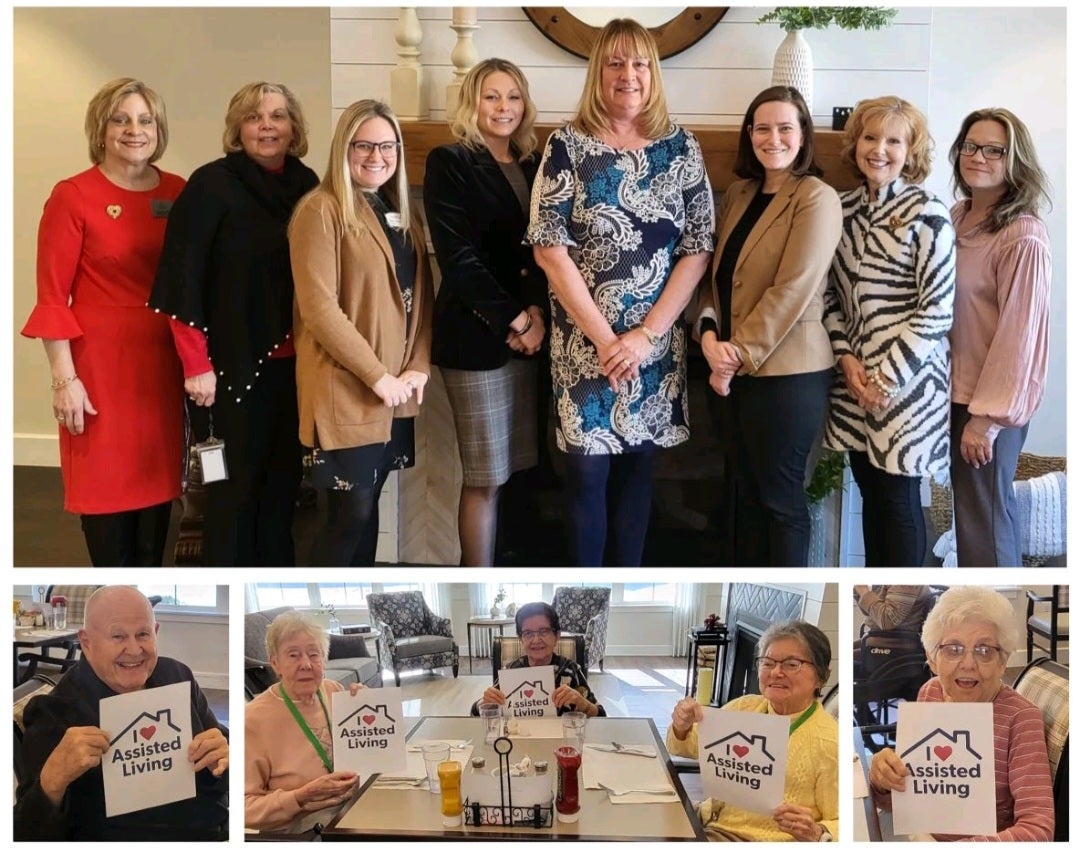
#iloveasssitedliving

“PALA member community, Columbia Cottage Linglestown, welcomed staff from the U.S. Senate Aging Committee, Argentum and the PALA Board of Directors for a visit of their community. The visit provided an opportunity to meet with residents, staff, and senior living experts to discuss the critical role assisted living plays in supporting the needs of older adults in Pennsylvania and across the country.” -PALA article on LinkedIn

92882041060-1009818677802070

Easter!

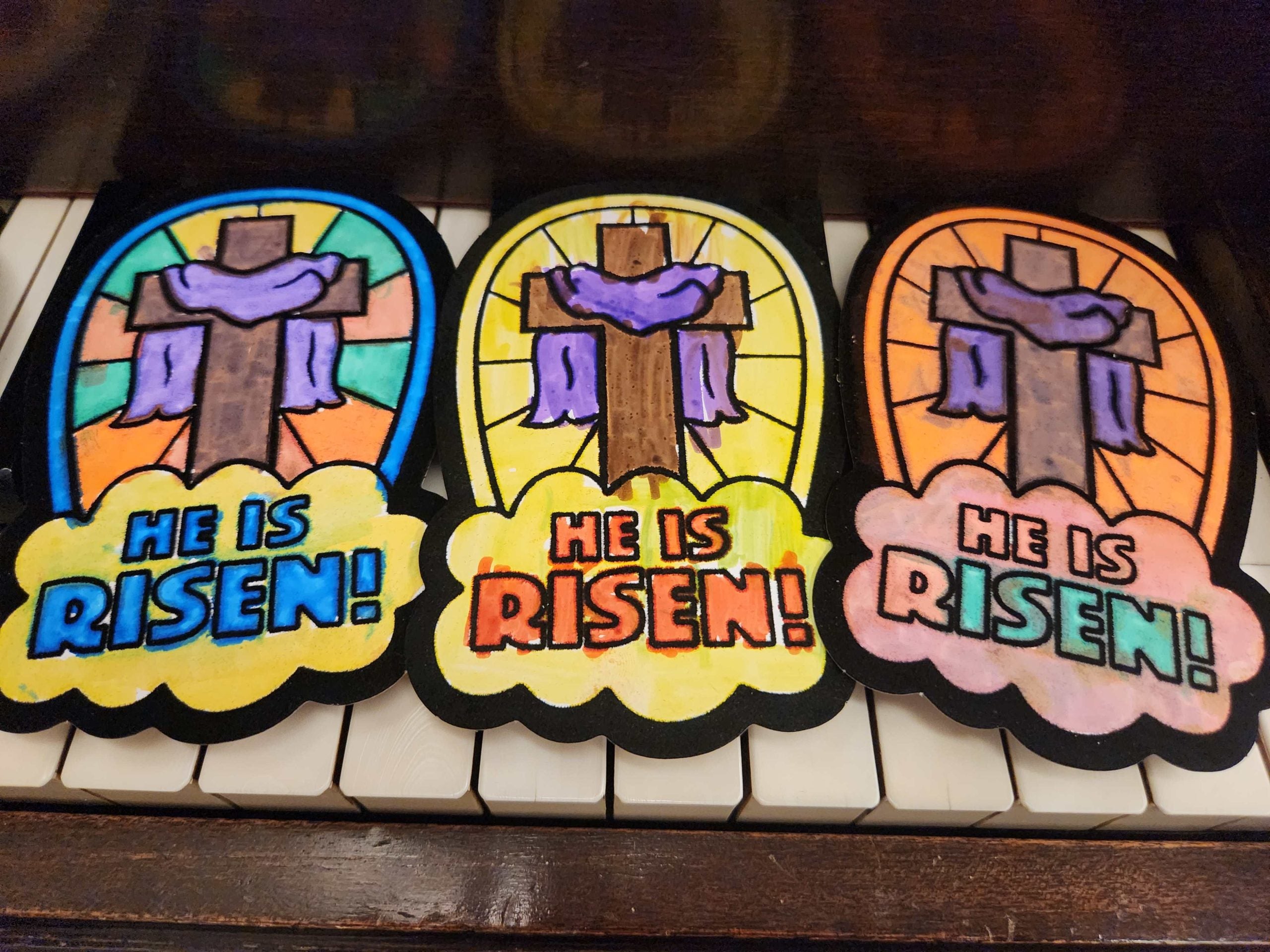
“He is not here: for He is risen, as He said. Come, see the place where the Lord lay.” Matthew 28:6 Columbia Cottage celebrated Resurrection Sunday with a Junior Church Easter Program from Susquehanna Valley Baptist Church, decorating eggs, filling eggs with chocolate, and hosting an egg hunt for the friends and family of our community.

IMG_0495

Solar Eclipse

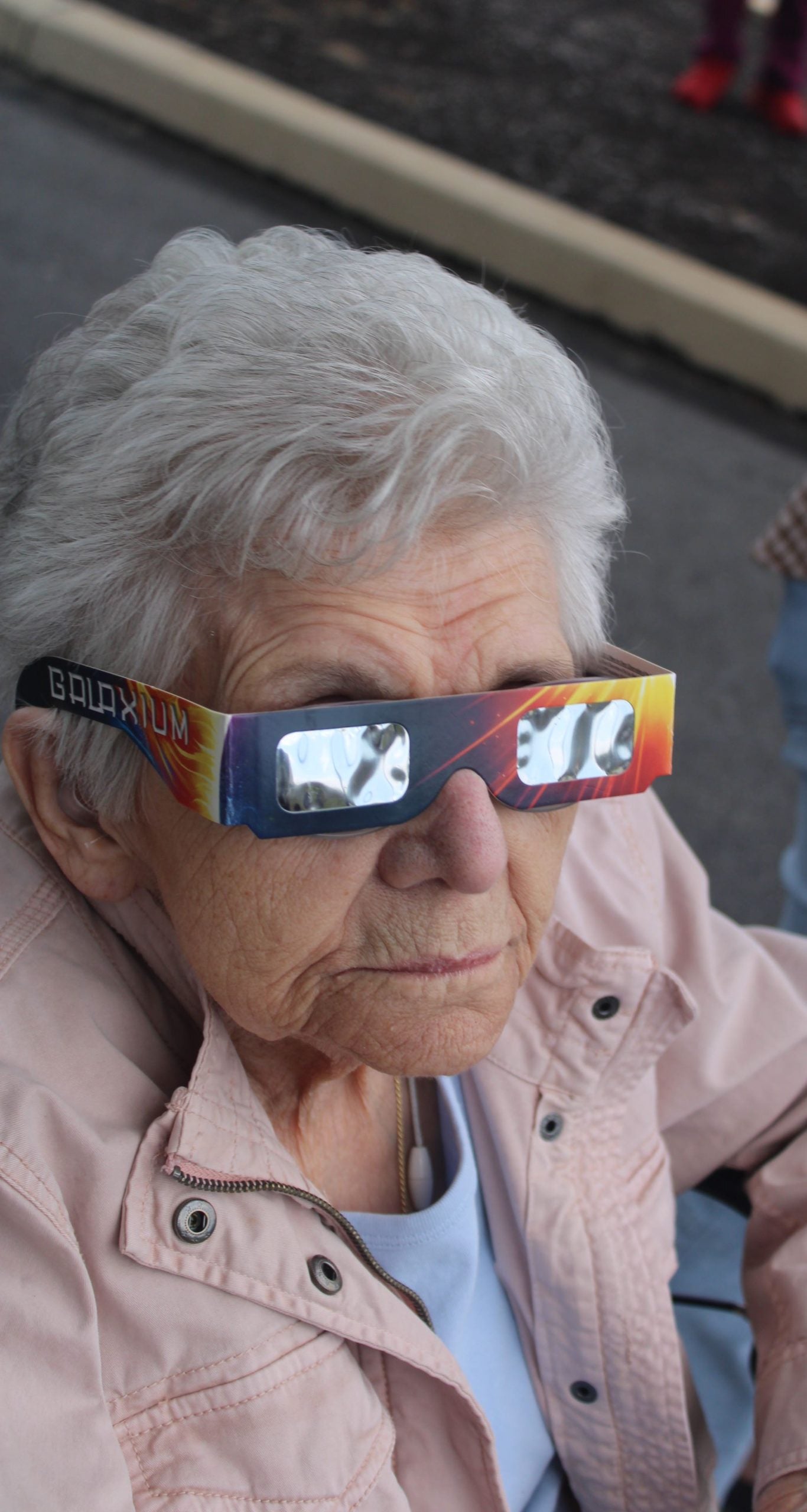
While we were not in the path of totality, the residents and staff enjoyed watching this amazing celestial event!

Back to Basics: Alzheimer’s Disease and Communication

Communicating effectively with a person with Alzheimer's disease can be challenging but also very rewarding. It’s always worthwhile to review some best practices. Simplify Your Message Use simple, clear sentences. Avoid complex instructions or questions. Break down requests into manageable, step-by-step tasks. This helps reduce confusion and makes it easier for your loved one to comprehend and respond. Embrace Nonverbal Communication Much of our communication is nonverbal. Pay attention to body language, facial expressions, and tone of voice. A gentle touch, a warm smile, and sitting at eye level convey feelings of affection and reassurance more effectively than words alone. Listen Patiently Listening is just as important as speaking. Sometimes it’s more important. Give your loved one time to express their thoughts, even if it takes longer than it used to. Show that you are listening and trying to understand, even when the conversation is difficult to follow. Use Visual Aids Photographs, objects, and notes can assist people with daily living activities, especially in the earlier stages of Alzheimer’s. Colorful sticky notes are good for labeling foods and household appliances. Motion-sensor lights can help light the way to important places like bathrooms. Do Something Interactions don’t require constant conversation. Try sharing and engaging in lighthearted activities like doing a puzzle or listening to music. Light conversation that isn’t about logistics or challenges is also welcome. Avoid Correcting It’s natural to want to correct misunderstandings or inaccuracies in memory. Instead, focus on the emotions behind the words and respond to those. For example, if someone says it’s nighttime when it’s noon, maybe they’re tired and want to nap. Try to think of the feeling that might provoke what a person is saying rather than relying on the literal meaning. Adapt When a person’s brain changes their perceptions, it’s up to you to try to enter their reality. Validating a person’s feelings, even if they aren’t positive, helps people feel seen and understood. This, in turn, may lessen anxiety and distress.

Contact Us

Fill out this form below and we'll contact you shortly
*Required Fields