Contact Us to Learn More

Blog

All Linglestown News Collegeville News News Hanover News Wyomissing News Hershey News Blog Assisted Living Advantages Honoring Choices What To Expect Columbia Cottage Service Guides Health and Medical Practices Services And Amenities
tv-icon

Community Channel

Did you know that if you turn to channel 2 on your TV at the cottage, you’ll find daily updates? Find important information such as our daily activities, menu, birthdays, new residents, and more. You can also find photos of previous activities and any important updates!

Craft Corner Pics (5)

Craft Corner

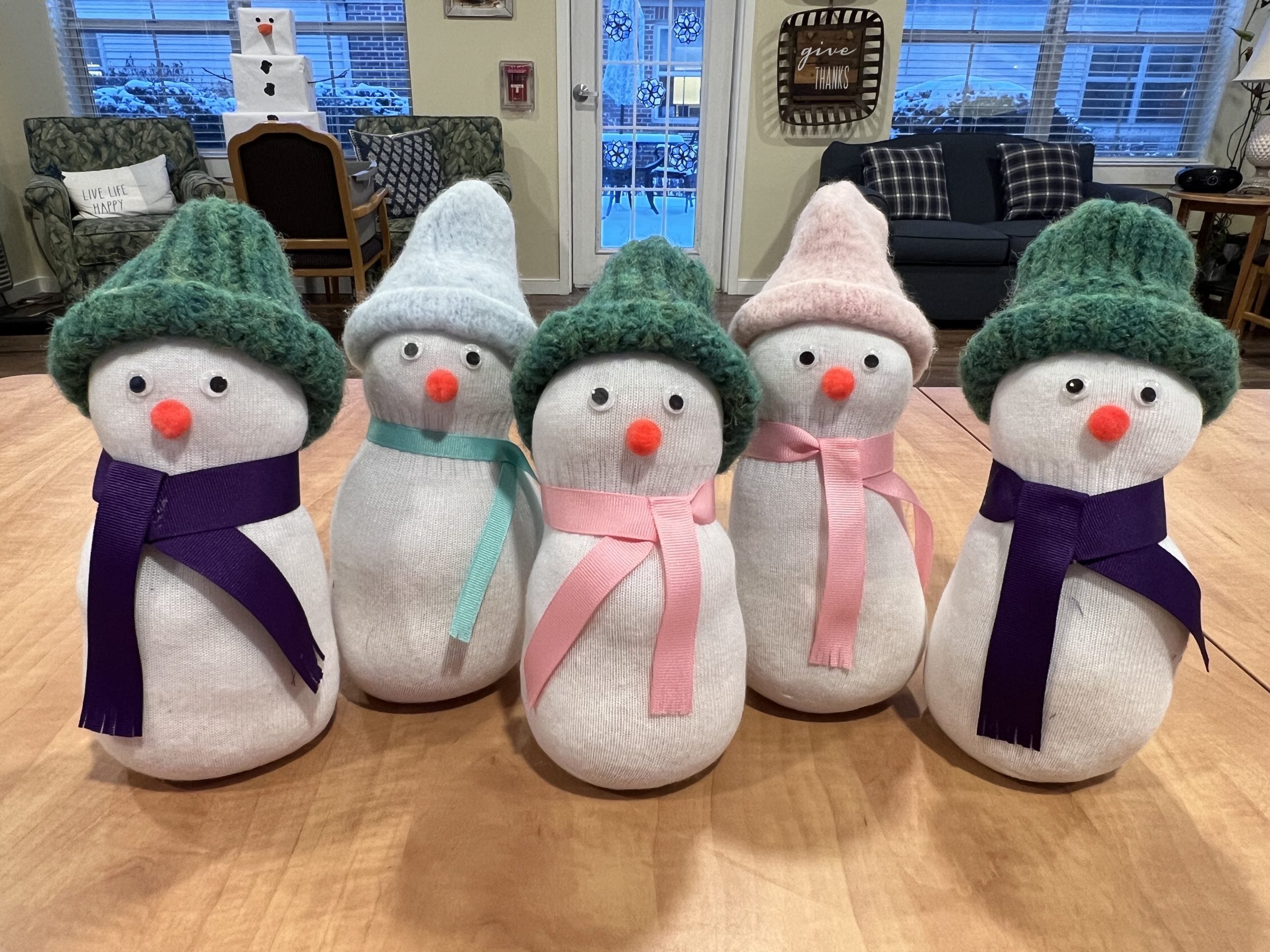
Our residents are always busy making new crafts and paintings! If you walk down the middle of the cottage, you’ll find a beautiful gallery of artwork. In the recent month, residents have started making things for the winter season as well as to decorate for Valentine’s Day. They loved making snowmen made from socks as well as clay conversation heart ornaments!

Message from the President…. Let Go of Grudges

The adage “let go of grudges” is so easy to say but quite difficult to accomplish.  Everyone knows people who cannot let go of the hurts they experienced.  Their bitterness shows on their faces; in their actions.  My grandfather would say,”...nurturing unresolved anger toward someone who hurt you creates infection in the victim, not the perpetrator.”  He would go on to say that making peace with the past can give you a renewed sense of purpose, a lighter step, and a healed heart.  I think that we all could appreciate having a lighter step as we go about our day.  So… I encourage you all to take off the glasses of old hurts and ask God to reveal any resentment you might be harboring.  To be more specific, think of someone who hurt you, forgive that person, and ask God to heal your hurt once and for all. Jim

An image of a woman in a wheelchair and a medical professional facing each other, both wearing masks.

How Do I Navigate Safety Concerns for Elderly Loved Ones When Choosing Care?

In the heart of Pennsylvania, the care and safety of the elderly in assisted living communities are governed by stringent regulations that aim to uphold a high standard of living for its residents. These regulations ensure that every aspect of an older adult's life is treated with dignity, respect, and safety. With the increasing concern for the well-being of the nation’s aging population, it’s crucial to understand how these standards contribute to creating a secure environment for your loved ones. Additionally, choosing the right assisted living community is a significant decision that families make together. This blog will help you learn more about the regulatory framework of Pennsylvania's assisted living residences, offer vital tips for selecting the perfect home for your elderly loved ones, and highlight some of the steps these communities take that enhance the quality of life and address safety concerns for elderly residents. Contact Us What Are Pennsylvania's Regulatory Standards for Assisted Living Communities? Pennsylvania's regulatory standards for assisted living communities are comprehensive, covering everything from the physical structure of the facilities to the services provided. Here's a closer look at the key components of these comprehensive regulations: Physical Structure and Safety: Pennsylvania mandates compliance with building codes and safety standards to ensure the physical structure of assisted living facilities meets rigorous safety criteria. This includes installing essential safety features such as grab bars, emergency call systems, and adequate lighting to prevent accidents. Regular maintenance and strict cleanliness standards are also enforced to provide all residents with a safe and healthy living environment. Annual Inspections: State health departments or designated agencies conduct mandatory annual inspections of assisted living communities. These inspections assess compliance with state regulations and standards, aiming to identify and correct any deficiencies. This process ensures that facilities continuously meet the required resident care and safety standards. Staff Qualifications: Pennsylvania requires assisted living communities to adhere to strict hiring criteria, including background checks and professional references for all staff. Caregiving staff must undergo required training and certification, with ongoing education programs in place to keep them informed on the best practices in elderly care. This continued education ensures that residents receive high-quality care from qualified professionals. Resident Rights: Residents' rights are a priority, and clear communication of these rights is required upon admission. Assisted living communities must protect residents' privacy, dignity, and personal choice, providing mechanisms for them to voice grievances without fear of retaliation. This requirement fosters a respectful and empowering environment for addressing safety concerns for elderly Emergency Preparedness Plans: Facilities must have comprehensive emergency and evacuation plans that cater to the specific needs of elderly residents. Regular drills and staff training ensure preparedness for natural disasters, medical emergencies, and other unforeseen events, safeguarding the well-being of residents during emergencies. These plans are much more thorough than the home safety tips you likely relied on if you were trying to care for your loved one yourself, so you can rest assured that they will be cared for in the event of all types of emergencies. Health and Medication Management: Assisted living communities have strict medication management and administration protocols, ensuring residents can access medical care and health monitoring. Personalized care plans are developed to address the individual needs of each resident, promoting their overall health and well-being. Nutritional and Dietary Services: Providing nutritious meals that cater to residents' dietary requirements and preferences is essential. Facilities regularly assess the nutritional needs of residents to ensure their meals contribute to optimal health. This supports the physical well-being of residents through proper nutrition. Social and Recreational Activities: A key component of resident well-being is social, recreational, and educational engagement. Assisted living communities offer a vibrant calendar of events, allowing residents to engage in community life and maintain an active lifestyle, which is crucial for their mental and emotional health. Support Services: Residents can access various support services, including assistance with daily living activities such as bathing, dressing, and eating. Transportation services for appointments and outings and access to counseling and support groups are available for residents and their families, ensuring comprehensive support and care within the community. Contact Us How Do These Standards Ease the Safety Concerns for Elderly Residents? The standards and guidelines aimed at ensuring the safety and well-being of elderly residents address critical areas that significantly ease concerns for both seniors and their families. Implementing home modifications such as grab bars, improved lighting, and eliminating tripping hazards reduces risks of falls and injuries, making homes more accessible and safer for aging individuals. The emphasis on fire safety, which includes the installation of smoke alarms, strategies for fall prevention, medication management, and emergency preparedness, ensures that older adults are protected from common hazards. These measures, including the effective management of medications to avoid errors and interactions, are vital for maintaining health and easing safety concerns for the elderly. Furthermore, the focus on staffing and quality care in nursing homes addresses the adequacy of care and supervision in these settings, ensuring seniors receive attentive care. Ensuring access to nutritious meals and physical activity contributes to the overall health and well-being of elderly residents, mitigating the risk of chronic illnesses and mobility issues. Collectively, these comprehensive standards foster a supportive and safe environment, allowing older adults to maintain independence and quality of life with minimal risks. Contact Us What Should You Look for When Choosing an Assisted Living Community? Embarking on the journey to find the perfect assisted living community for your elderly loved ones is a pivotal decision that impacts their safety and overall quality of life. As we delve deeper into the heart of what makes an assisted living environment livable and thriving, it's essential to arm yourself with knowledge and insight. What should you look for when choosing an assisted living community? This question beckons a thoughtful exploration of several key factors, from ensuring the community adheres to stringent safety standards to evaluating the richness of its care programs and the innovative measures it employs to enhance resident well-being. Is the Community Licensed and in Good Standing? One of the first steps in choosing the right assisted living community is to verify its license and compliance with state regulations. A licensed community meets the basic safety standards and is committed to providing high-quality care. Does the Community Meet Your Loved One's Needs? Consider what is most important for your loved one’s comfort and well-being. This might include specific medical care, types of social activities, amenities enjoyed, dietary preferences, and the level of assistance with daily activities. Make sure the community you choose can cater to these needs. What Safety Measures and Innovations Are in Place? Safety is paramount when it comes to caring for older adults. Inquire about grab bars, emergency call systems, lighting, and other safety features you value in the community. Additionally, explore any innovative community programs, such as memory care initiatives or wellness programs, contributing to the residents' overall well-being. Many assisted living communities have embraced innovative programs and initiatives designed to improve the quality of life for seniors. From organized social experiences with new events that combat loneliness and isolation to specialized memory care programs that provide personalized care for residents with dementia, these innovations play a crucial role in enhancing the daily lives of elderly individuals. If You Have Safety Concerns for Elderly Loved Ones, Choose Assisted Living Choosing the right assisted living community for your loved one is a significant decision that requires careful consideration and research. By understanding the regulatory standards in Pennsylvania and what they mean for the safety and care of elderly residents, families can make informed decisions. It's also essential to consider the unique needs of your loved one and the innovative programs offered by the community to ensure a happy, healthy, and fulfilling life for them in their golden years. If you are ready to experience the difference that comes with assisted living and relieve the safety concerns that you might have for elderly people living within these types of communities, we are ready to help. Contact us today to learn more about why you should choose assisted living! Contact Us

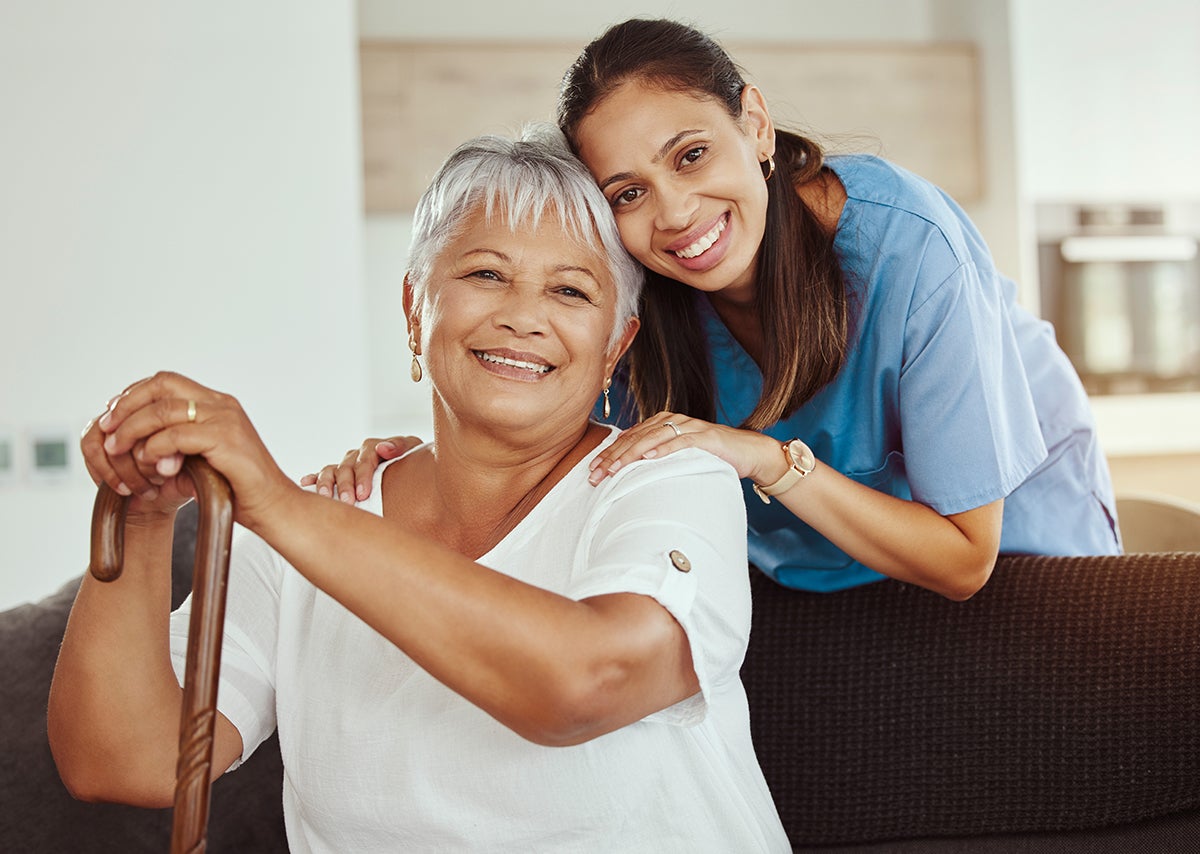
Two women with touching heads, one the caregiver dressed in blue and one the resident dressed in white, smile at the camera.

Building Trust and Connection in Assisted Living: The Role of Person-Centered Communication

Trust, connection, and understanding are crucial in forming emotional bonds. In assisted living, these elements take on an even greater significance. Amidst the inherent challenges and life changes of moving into an assisted living facility, person-centered communication is essential to building relationships between residents and caregivers. It is also essential to help make the resident feel like they are actively involved in their care. This isn't a simple conversation about what the resident wants; it's an empathetic recognition of the individual within, beyond their age or health conditions. Person-centered communication transforms an assisted living facility into a true home for the residents. It ensures caregivers listen with empathy, speak with respect, and act with kindness, making every resident feel valued and heard. As you explore this blog post, you will learn more about the transformative power of person-centered communication in building trust and fostering deeper connections in assisted living facilities. Contact Us Why is Person-Centered Communication Vital in Assisted Living? A key aspect of successful assisted living lies at the heart of effective, person-centered communication – also called patient-centered communication. This isn't merely an exchange of information; it's a strategic method to build trust, understand resident perspectives, and ultimately boost resident satisfaction. Person-centered communication involves acknowledging each resident's unique needs, preferences, and concerns. It encourages residents to express their feelings and actively participate in decisions about their care. Caregivers can foster a more connected approach that puts residents first by focusing on the whole person rather than just their health conditions. How Does Person-Centered Communication Foster Trust and Connection? Trust and connection form the bedrock upon which successful caregiving relationships are built. These powerful bonds are nurtured through consistent, open, and respectful communication. By adopting a patient-centered approach to communication, caregivers can foster these crucial relationships, creating a sense of security and belonging that is vital for residents in assisted living facilities. Person-centered communication fosters trust and connection in several key ways: Active Listening: This goes beyond simply hearing what the resident is saying. It involves paying complete attention, reflecting on their words, and responding in a way that shows understanding and empathy. Active listening builds trust and fosters a deeper connection by demonstrating that the caregiver is fully engaged in the conversation. Open-Ended Questions: By asking questions that require more than a simple 'yes' or 'no' answer, caregivers encourage residents to share their thoughts, feelings, and experiences. This practice provides valuable insights into the resident's needs and preferences and signals a genuine interest in their well-being. Avoiding Medical Jargon: Using simple, understandable language helps ensure that residents fully comprehend the information being shared. This action promotes transparency and trust, as residents feel more comfortable and confident in understanding their care plans. Empathy and Respect: Demonstrating empathy and respect in every interaction helps residents feel valued and understood. This demonstration of empathy includes respecting their decisions, recognizing their individuality, and validating their feelings. Consistent Communication: Regular and consistent communication helps build familiarity and trust over time. This could be through daily conversations, regular updates about care plans, or simply sharing a moment of laughter. Person-centered communication is pivotal in building trust and fostering connections in assisted living facilities. It's not merely about conveying information; it's about understanding, respecting, and valuing each resident as a unique individual. Through this approach, we can transform the caregiving experience, creating a nurturing environment where every resident feels seen, heard, and valued. Contact Us What Impact Does Technology Have on Person-Centered Communication? In our digitally advanced world, technology plays a significant role in facilitating person-centered communication. It offers innovative ways for caregivers to stay connected with their residents, better comprehend their concerns, and deliver personalized care. For instance, electronic health records offer valuable insights into a resident's medical history, aiding caregivers in customizing their communication and care plans. Telemedicine platforms enable face-to-face interactions, overcoming geographical and language barriers. Additionally, health education apps enhance health literacy, empowering residents to participate actively in their care, where possible. How Does Patient-Centered Communication Impact Health Outcomes? Research suggests that person-centered communication can lead to better health outcomes. It can improve resident satisfaction, adherence to treatment plans, and overall well-being. Caregivers can provide more effective and personalized care by focusing on the whole person rather than just their health conditions. Contact Us How Can We Cultivate a More Connected, Resident-Focused Approach? Adopting a person-centered approach requires shifting from traditional, healthcare-centric models towards a more inclusive, participatory system. This approach means actively involving residents in their care, addressing their needs and preferences, and prioritizing quality over quantity. Caregivers can foster a resident-focused approach by: Encouraging residents to share their beliefs and concerns. Practicing active listening and empathy. Using simple, understandable language. Providing clear, concise medical information. Respecting residents' decisions and autonomy. Regularly seeking feedback to improve communication and care provision. By encouraging open dialogue, practicing active listening, simplifying medical jargon, and respecting autonomy, we can create a nurturing environment that prioritizes the needs and preferences of each resident. Regular feedback and continuous improvement ensure that this approach evolves with the changing needs of residents. In essence, person-centered communication is more than a strategy; it's a commitment to understanding, respect, and empathy, one conversation at a time. Why is Person-Centered Communication the Future of Assisted Living? In an era where resident satisfaction and better health outcomes are paramount, patient-centered communication has emerged as a key caregiver strategy. By facilitating shared understanding, promoting mutual respect, and leveraging technology, it promises to transform the caregiver-resident relationship into a true partnership. After all, quality care is not just about managing health conditions – it's about caring for people. If you’re ready to experience person-centered care for yourself or your loved ones, get in touch with us at Columbia Cottage. Contact Us

PA_Cottage_2024feb14

Senate Aging Staff Visits Pennsylvania Assisted Living Community

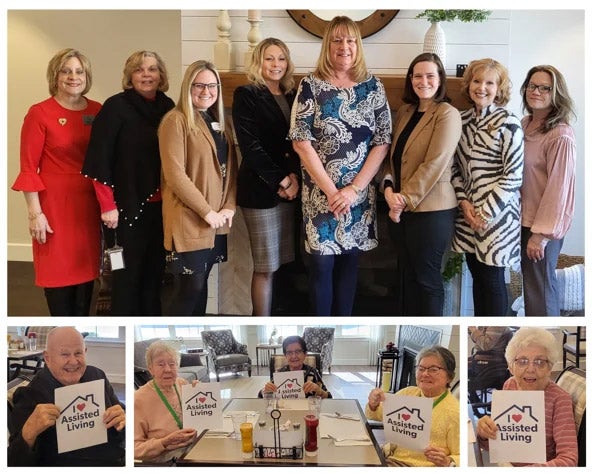
Columbia Cottage Linglestown welcomed staff from the U.S. Senate Aging Committee for a visit of their community near Harrisburg, Pennsylvania. The visit provided an opportunity to meet with residents, staff, and senior living experts to discuss the critical role assisted living plays in supporting the needs of older adults in Pennsylvania and across the country. The visit was coordinated by Argentum, the Pennsylvania Assisted Living Association (PALA), and Columbia Cottage Assisted Living. Read the full article here.

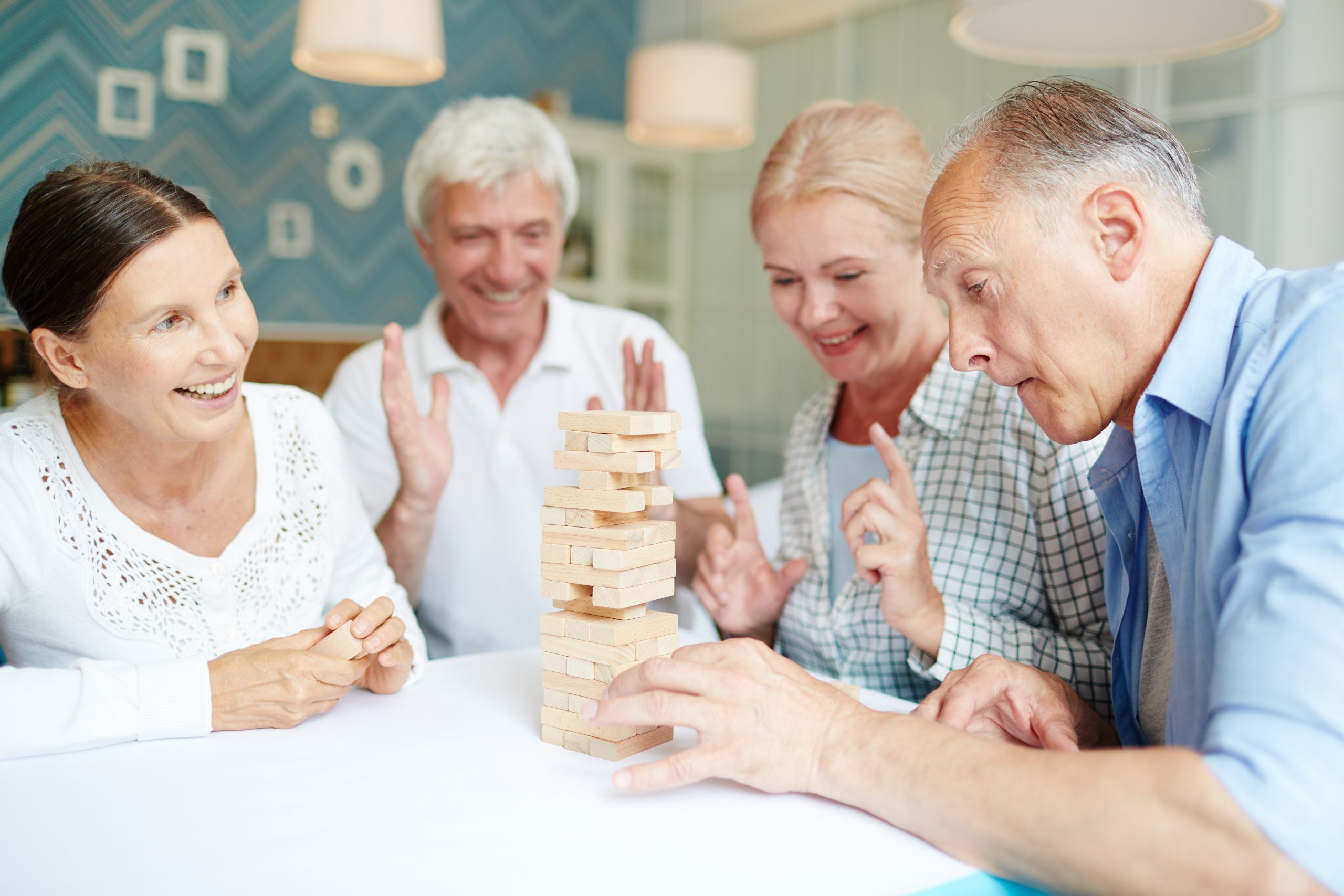
A group of seniors playing together and enjoying a game with wooden pieces.

Unleashing Freedom: Embracing Independent Senior Living Solutions

Stepping into the golden years of life as an independent senior can be a journey filled with exhilaration and uncertainty. It's a dance of balance, intertwining cherished personal autonomy with the comforting support needed to savor this vibrant chapter of life. Independent senior living solutions are more than just residences; they're thriving havens designed to alleviate daily burdens and home maintenance, freeing seniors to engage in joy-filled activities. These communities offer an all-encompassing experience, weaving the comfort of privacy with the warmth of community. The benefits of independent living extend far beyond individual residences. They foster physical wellness through various activities, promoting an active retirement lifestyle. Providing delicious, nutritious meals removes the stress of meal planning, while 24-hour security offers peace of mind. A key highlight is the opportunity for social engagement and connection, allowing seniors to forge new friendships and create shared memories. As personal health needs change, these communities adeptly adapt, helping seniors transition to different levels of care while preserving familiar surroundings and social connections. Independent senior living solutions are about thriving, cherishing independence while feeling supported and safe. It's about seizing each day, making every moment count, and truly relishing the experience of being an independent senior. If you want to explore senior living solutions more, keep reading! This blog will help you learn more about the benefits of living in these communities. Contact Us How Does Social Engagement Enhance Independent Living? The importance of social engagement in enhancing independent living cannot be overstated. Participating in social activities such as book clubs and fitness classes helps seniors maintain a sense of community and belonging, which is vital for their emotional well-being. These interactions provide a platform for residents to share experiences, learn from each other, and form new friendships. This social connectivity can significantly reduce feelings of loneliness and isolation often experienced by seniors living alone. Here are some of the other benefits seniors enjoy when they engage with their peers: Sense of Community: Participating in social activities like book clubs, fitness classes, or community events helps foster a sense of belonging among residents. This camaraderie can bring about a significant positive impact on a senior's emotional well-being. Reduced Loneliness: Independent living does not mean isolation. Regular social interactions in these communities can help mitigate loneliness, a common issue among seniors living alone. Formation of New Friendships: Engaging in community activities provides plenty of opportunities for seniors to form new friendships. These connections can lead to a strong support network that can be invaluable in times of need. Learning Opportunities: Social engagement is not just about fun and games. It can also provide educational benefits. For instance, a cooking class can help seniors learn new culinary skills, while a book club can expose them to different perspectives. Mental Stimulation: Regular social interaction can keep the mind active and stimulated. Whether discussing a recent book, solving a puzzle, or debating current affairs, these intellectual activities can improve mental health and cognitive abilities. Increased Confidence: Engaging with others can increase a senior's confidence and self-esteem. Participating in social activities and contributing to community discussions can make seniors feel valued and respected, further enhancing their sense of independence. Emotional Support: The bonds formed through social engagement often translate into a solid emotional support system. Seniors can share their joys, concerns, and experiences with their peers, making the journey of aging more manageable and enjoyable. Social engagement keeps the mind active and stimulated. It encourages seniors to stay updated with current affairs, engage in intellectual conversations, and participate in problem-solving activities. All these factors contribute to improved mental health and cognitive abilities. Why is an Active and Healthy Lifestyle Essential in Independent Senior Living? Independent living communities are designed to promote an active and healthy lifestyle among seniors. With facilities like fitness centers, swimming pools, and walking trails, residents have numerous opportunities to stay physically active. Regular exercise is crucial for seniors as it helps maintain mobility, strength, and overall physical health. It also aids in the prevention of various age-related health issues such as heart disease, diabetes, and arthritis. Furthermore, physical activities like swimming or walking are great stress relievers and mood boosters, contributing to better mental health. An active lifestyle in these communities often means more than just physical activity. It includes participating in social events, exploring new interests, and maintaining independence in daily tasks. Such a lifestyle fosters a sense of accomplishment, boosts confidence, and ultimately enhances seniors' overall quality of life in independent living communities. Having an active lifestyle is integral to the experience of independent senior living. They work in harmony to ensure seniors lead fulfilling, healthy lives while enjoying their independence. Contact Us What Role Does Technology Play in Independent Senior Living Solutions? The digital age has not bypassed the realm of independent living. Technology, from medical alert systems to virtual reality games, is increasingly significant in enhancing senior living. But how exactly is technology making a difference in the lives of independent seniors? Rapid technological advancements significantly transform independent senior living, making it more efficient, practical, and comfortable for residents. One of the key areas where technology plays a role is communication. Through social media and messaging apps, seniors can easily stay in touch with their loved ones, fostering community and connectedness. In the realm of health monitoring, wearable technology has become a game-changer. These devices can track vital signs, physical activity, and sleep patterns, providing valuable data that helps seniors and caregivers monitor health conditions and promptly respond to any changes. Technology has also enhanced safety, with devices such as medical alert systems ensuring rapid emergency response. Technology has also increased mobility among seniors. Assisted living technologies, such as motorized wheelchairs or mobility scooters, empower them to move around independently, thus enhancing their autonomy. Technology opens up a wide range of entertainment and learning options, from virtual reality games to online courses, keeping seniors mentally stimulated and engaged. The Importance of Mental and Emotional Well-being in Independent Senior Living Physical health is only one piece of the puzzle. While physical health is a crucial aspect of independent senior living, it's equally important to acknowledge the role of mental and emotional well-being in ensuring a fulfilling experience. Many communities offer meditation and yoga classes, which are known to promote mindfulness, reduce stress, and improve mental clarity, thus contributing significantly to overall emotional well-being. Additionally, professional counseling services are available to provide guidance and support to seniors navigating emotional issues, grief, or life transitions. Regular interactions through communal dining, group activities, or volunteer work can significantly enhance mood and alleviate feelings of loneliness. Communities often facilitate clubs or groups centered around various hobbies and interests, such as gardening, painting, or music. Engaging in these passions can provide emotional satisfaction and a sense of purpose. Pet therapy is another unique approach some communities implement to foster emotional well-being. Interactions with animals have been shown to reduce stress and increase happiness levels. Some communities even allow seniors to keep their own pets, while others invite therapy animals for visits. Fitness programs can also play a dual role. Regular physical activity improves physical health, boosts mood, and reduces anxiety, contributing to better mental health. These examples clearly illustrate how technology and a focus on mental and emotional well-being are vital in enhancing the independent senior living experience. How Can I Choose the Best Independent Living Communities Near Me? Choosing the right independent living community can be challenging, even with numerous options available. What should you look for when touring potential communities? How do services and amenities vary between facilities? When touring potential communities, it's essential to consider several factors. Firstly, evaluate the physical environment, including cleanliness, maintenance, layout, and design. Secondly, understand the range and quality of services provided, such as housekeeping, meal services, and healthcare support, and clarify which are included in the base fee. Thirdly, assess the amenities offered, from fitness centers and libraries to unique features like art studios or greenhouses. Fourthly, look at the level of technology integration for communication, healthcare monitoring, safety measures, and entertainment. Lastly, pay attention to the community's focus on social engagement, active lifestyle, and mental health. Services and amenities can greatly vary between different independent living communities. Some might prioritize luxury amenities like gourmet dining and weekly laundry services, while others might focus more on healthcare services like on-site medical clinics and emergency call systems. Some facilities, like ours, prioritize both! Independent senior living solutions allow seniors to maintain their independence while also receiving the support they need. These communities provide a balanced and enriching living environment by focusing on social engagement, an active lifestyle, technology integration, and mental health. When choosing, it's crucial to consider personal preferences, needs, and budget. If you’re ready to discuss independent senior living solutions that will meet your needs and more, get in touch with us at Columbia Cottage! Contact Us


christmas-cat

Staff Christmas Party

We love any opportunity to celebrate and cut loose with our wonderful staff! The employees of Columbia Cottage work so hard all year long and it is a joy to see everyone come together and be able to spread joy and fun. The Staff Christmas party was a huge hit with lots of fun games and dancing and of course presents. No better way to spread Christmas cheer than with those you spend a significant amount of time along side of! Can’t wait to celebrate out staff again during our annual Staff Appreciation party in August!

20231213_141730

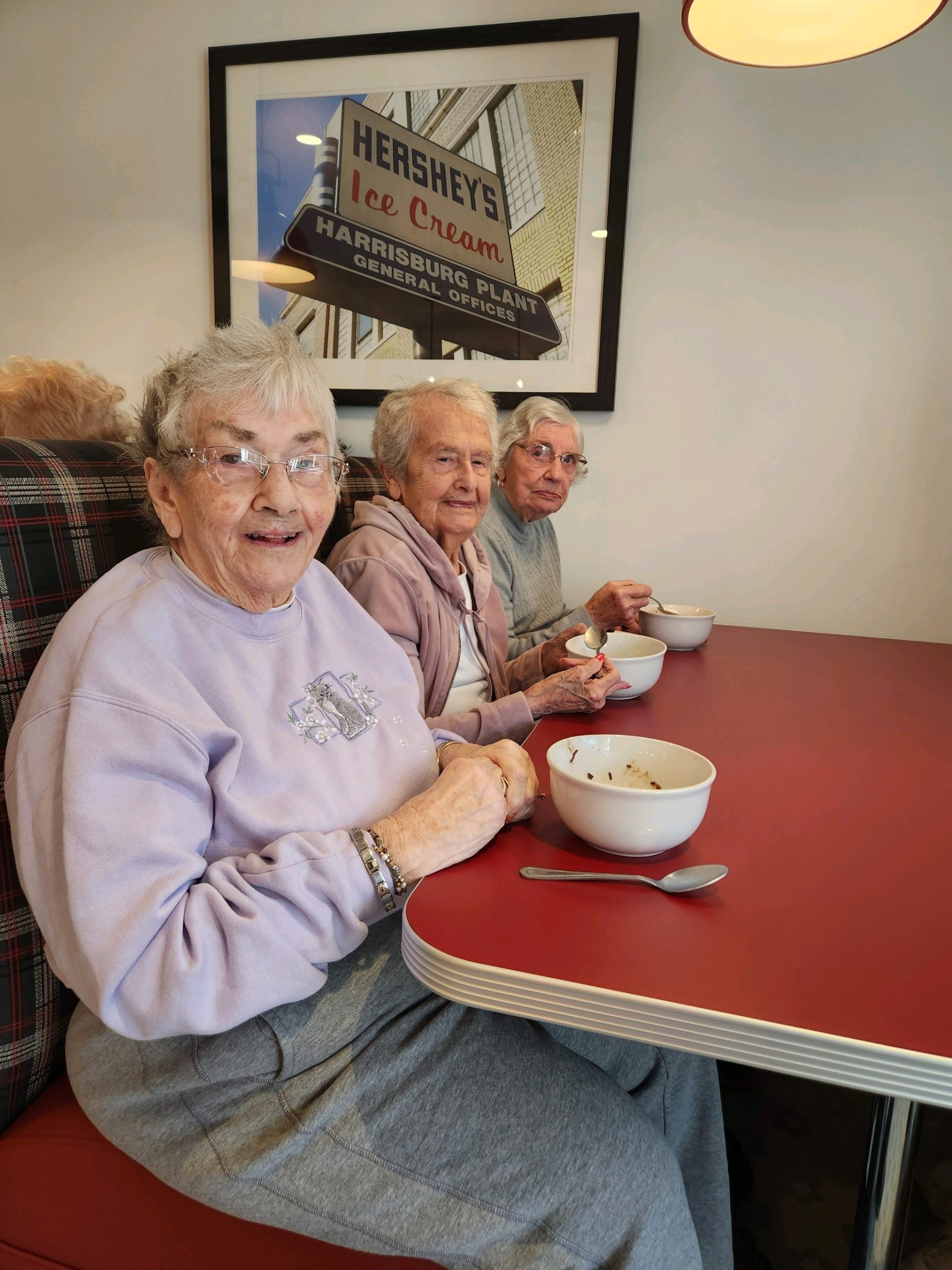
Ice Cream

Memory Care Residents making good use of our Ice cream parlor. "It is a grave error to assume that ice cream consumption requires hot weather." - Anne Fadiman

musical-animals

Musical Memories

By Brooke DeNisco, Activity Connection Music is deeply embedded in multiple parts of the brain, so people can often recall songs they love, even with memory loss. Humans respond and remember harmony or musical chords. This memory gets deeper with repetition. If you’ve heard a song hundreds of times, the harmony becomes almost embedded in the brain. Often, music is associated with emotion or big events, like graduations, weddings, and holidays. Music drives people to tap their feet, snap, or dance. People have a greater capacity for recall when something is harmonic, repetitive, coupled with physical activity, and sparks emotion. Studies have shown that music may reduce agitation experienced by people with dementia. Even in the late stages of Alzheimer’s, a person may be able to tap a beat or sing lyrics to a song from their youth. Music decreases levels of the stress hormone cortisol. When you listen to music, your brain releases dopamine. One small study found that just anticipating a song’s harmony can get dopamine flowing. Dopamine is a mood elevator, and with heightened mood comes a better capacity for problem-solving. Incorporating a person’s favorite music into their daily routine can help them cope better with stress and may encourage them to move or exercise more. Enjoying music with others is a low-pressure way to socialize and connect. This is beneficial to caregivers as well as people with memory loss. Listening to music that brings joy causes blood vessels to expand, increasing blood flow and improving cardiovascular health. A review of 26 studies covering almost 1,400 heart disease patients found that music reduced heart rate, blood pressure, and anxiety. Singing is particularly powerful. George Mason University researchers demonstrated that people with dementia who participated in choirs or sing-alongs showed improved cognition compared with their non-singing peers. Find out what music a loved one or person you care for with dementia enjoys. Try asking them or their family members. Many have the most emotional musical experiences in their teens and twenties. If a person was born in 1945, for example, they might enjoy hits from 1960 to 1970. Free streaming services like Spotify are ideal for creating personal playlists. For people around 80, the Top Hits of 1955 is a good starting point.

2023 Review

2023 Review

*Oh, what a year we've had, let's take a look back At our remarkable 2023 rolled out on track Some danced right in as we popped champagne toasts The new place adorned, from rafters to posts *Our paint parties bloomed creativity galore While summer brought water balloons sending laughs by the score *Then Elvis stopped by with his hip-swiveling song Had us swaying and crooning right along *In April we marked one year in this space With top notch leadership setting the place *Thanks to all directing this ship to and fro! "The best is yet to come!" was the call The holidays came with concerts so bright And guests that left us glowing with delight *As we flip our calendar to a new leaf We see each day here as a gift beyond belief We'll stitch these moments into life's sweeter tapestry Building community, camaraderie, and unity *Memories abound, the best is yet ahead Together we'll write this continuing thread ~Lawrence D. Wilson, Life Enrichment Coordinator

pig 6

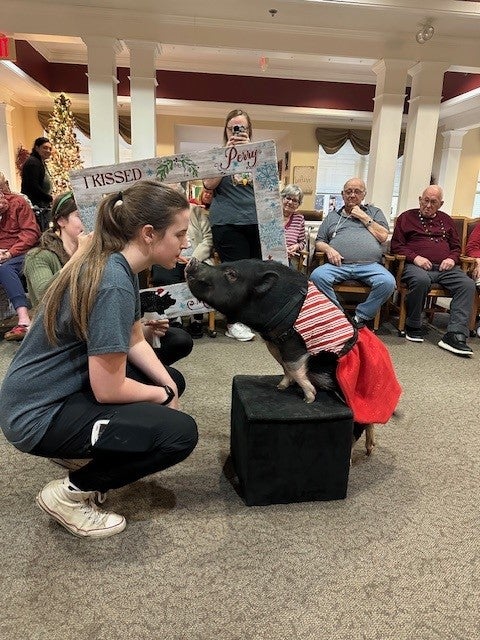
Party Pigs Visit

Willow and Perry From Tree Family Party Pigs came for another fun visit in December.  Willow is the cutie in her Christmas dress. Here are some facts about Willow and Perry: WILLOW Female American Mini Pig Birthday: 3/29/2020 Physical markings: mostly black, white hair behind right ear, white legs and belly Personality: confident, quick learner, social butterfly Favorites: sun bathing, eating clover, cuddling, training Endearing flaw: peeing in her piggy pool PERRY Male American Mini Pig Birthday: 3/29/2020 Physical markings: black with right white shoulder, legs, and belly, half pink half black snout Personality: gentle lover, cautious, curious, boss pig between him and Willow Favorites: ear scratches, bananas, exploring in the woods, giving kisses Endearing flaw: loud water slurper

Contact Us

Fill out this form below and we'll contact you shortly
*Required Fields