
- Common Physiological Pathway: The first theory suggests hearing loss and dementia might share a common cause. The same changes that lead to hearing loss, such as blood vessel damage or nerve degeneration, could also contribute to dementia. This is considered the least likely theory.
- Cognitive Load: The second theory revolves around cognitive load, or how much work the brain must do to understand speech when hearing is impaired. When we struggle to hear, our brain must work harder to make sense of sounds. Over time, this constant strain may take a toll on cognitive abilities, leading to a higher risk of dementia.
- Brain Structure Changes: The third theory suggests that hearing loss might change the brain’s structure in ways that contribute to cognitive decline. Older adults with hearing loss tend to have less gray matter in the parts of the brain responsible for processing sound. This reduction in brain tissue could be a sign that the brain is shrinking or atrophying, potentially setting the stage for dementia.
- Social Isolation: The fourth theory looks at the impact of social isolation, which is common among those with hearing loss. When it becomes difficult to engage in conversations, people often withdraw from social activities, leading to loneliness and reduced mental stimulation. Social isolation has long been recognized as a risk factor for dementia, so it’s possible that hearing loss indirectly contributes to cognitive decline by making people less socially active.
Hearing Loss and Dementia
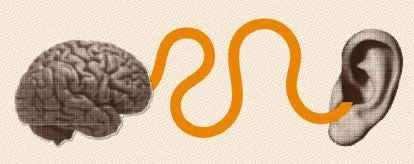
Many people expect hearing loss as they age, but what if it’s more than just an inconvenience? Research suggests a significant link between hearing loss and dementia, a connection that’s causing experts to examine what we once considered a natural part of aging.
For years, hearing loss was often brushed aside as a minor issue that could be dealt with by simply turning up hearing aids or asking people to repeat themselves. However, emerging studies, such as those conducted at Johns Hopkins University, reveal that hearing loss might play a critical role in our brain health. People with hearing loss are more likely to develop dementia, including Alzheimer’s disease, compared to those with normal hearing. This finding has prompted scientists and doctors to continue to explore the reasons behind this connection.
The studies at Johns Hopkins identified four main theories about how hearing loss could contribute to cognitive decline.